

Primrose and Cowslip: A Herb for the start of spring
Freja’s Key
Unlocking
Ancient grief,
Winter’s sorrow
Nathaniel Hughes, Weeds in the Heart
“Where a bee sucks, there suck I,
In a Cowslips bell I lie
There I couch when Owls do cry.
On the bats back I do fly,
After summer merrily,
Merrily, merrily, shall I live now,
Under the blossom that hangs on the bough.”
Ariel’s song, Shakespeare’s The Tempest
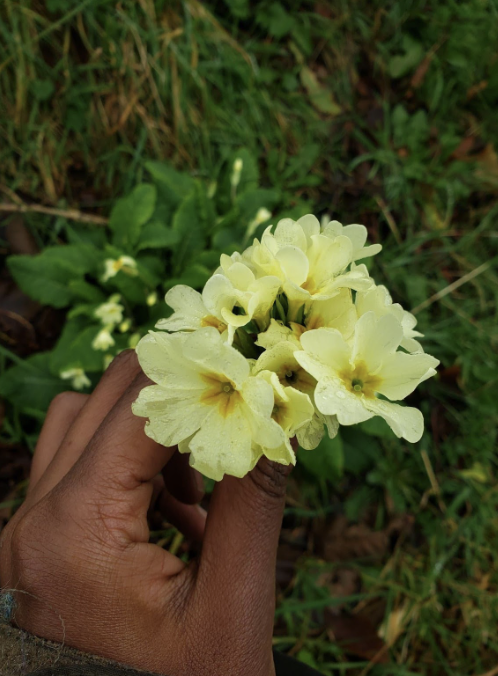
The primroses are out. Carpeting our landscape with their delicate yellow blooms. A message from the earth that spring is well on its way.
Primroses are found growing low to the ground preferring damp areas. When looking at primroses, to me they resemble a symbol of hope. They are both rooted to the dark damp soil while reaching out towards the light. These small pale yellow flowers seem to just about emerge out of the darkness of the winter. There is an innocent beauty to the primrose, a sigh of relief, countering the last of winter’s breath.
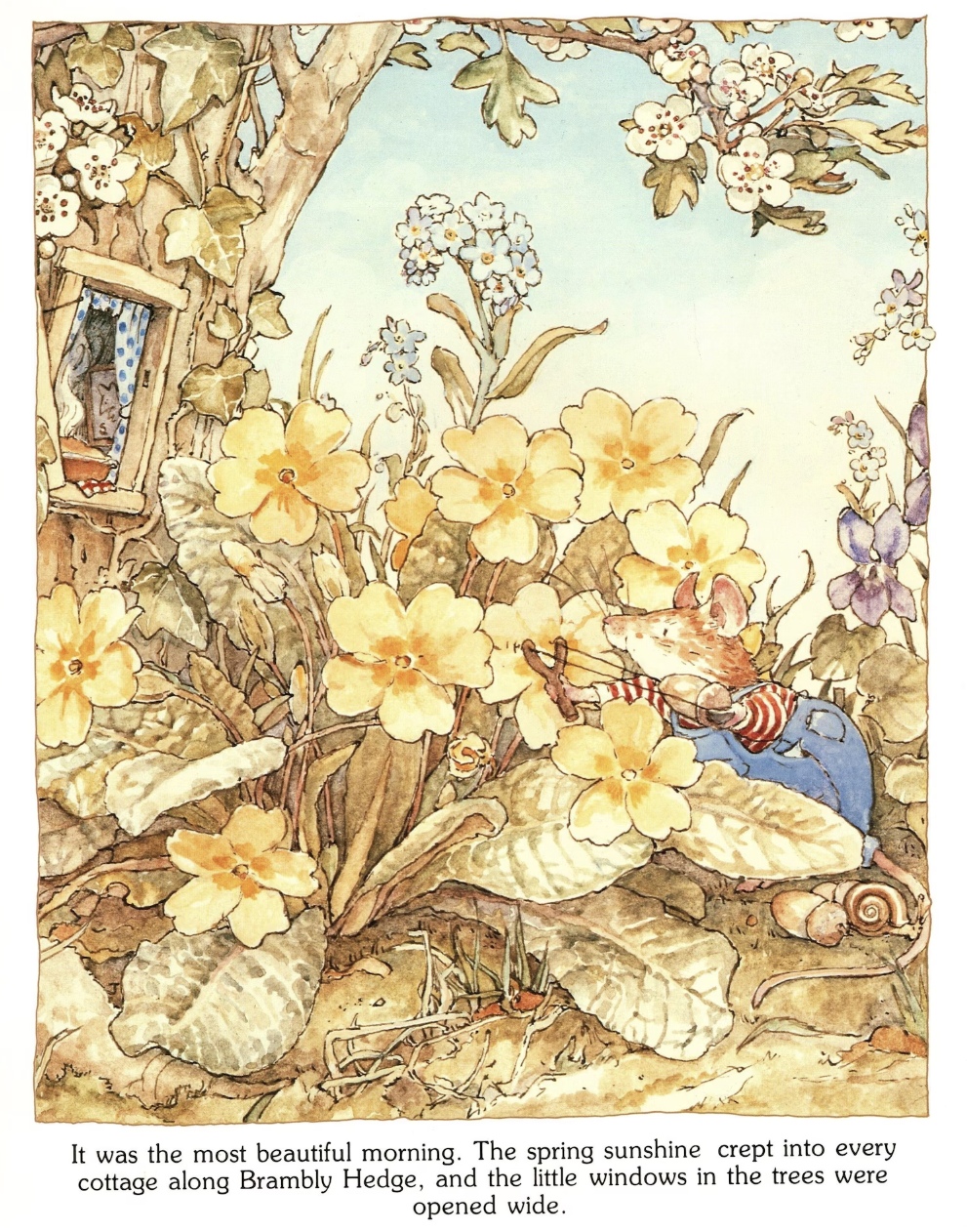
The word Primrose comes from the latin prima (first) and rosa (rose), meaning first rose. Across the British isles and Europe, wherever they grow, Primroses (Primula vulgaris) and its relative Cowslip (Primula veris/officinalis) have a rich history of folklore and magic. They are associated with the faery folk. It is said that you can find fairies sleeping in primroses and eating the flowers allows one to see fairies. They were important plants for Beltane/May day festivals, where they would be gathered by children into posies or hung outside of homes. Cowslips are also known as key flower, fairy keys, key of heaven. The flowers resembling keys are also sacred to the norse goddess of fertility, love and spring - Freya, and was said to open the gates of the underworld. Primroses readily have been so adored that we have gone on to breed many different varieties.
Primrose and cowslips both have a history of traditional medicinal use. Primula vulgaris is often used as a remedy for muscular cramps, headaches and as a sedative. Pliny speaks of the Primrose as an important remedy in muscular rheumatism, paralysis and gout (M Grieve, A modern herbal).
Herbalists have traditionally used the blooms and roots in anti-cough, antispasmodic teas and syrups, and combine with other herbs for sleep teas as it has sedative properties. The plant holds cooling, soothing and relaxing properties. I find primroses to be incredibly relaxing and slightly sedative. The renowned Austrian folk herbalist Maria Treben shared the following recipes as a remedy for insomnia as well as migraines and headaches, and a blood purifying spring tea recipe that you can try at home. Please note that we are talking about the wild primrose and cowslip here not the cultivated varieties. You can of course use primrose flowers instead of the cowslip:
Maria Treben’s blood purifying spring tea:
50g Cowslip
50g Elderflower shoots
15g Stinging nettle
15g Dandelion roots
Maria Treben’s insomnia tea:
50g Cowslip flowers
25g Lavender
10g St John’s Wort
15g Hops
5g Valerian root
I like to harvest and dry the primrose flowers. Drinking it as a sleep tea following the above recipe or mixed with other relaxing herbs like chamomile, wood betony, rose and linden. For a cough syrup for children they pair really well with sweet violets and wild cherry bark.
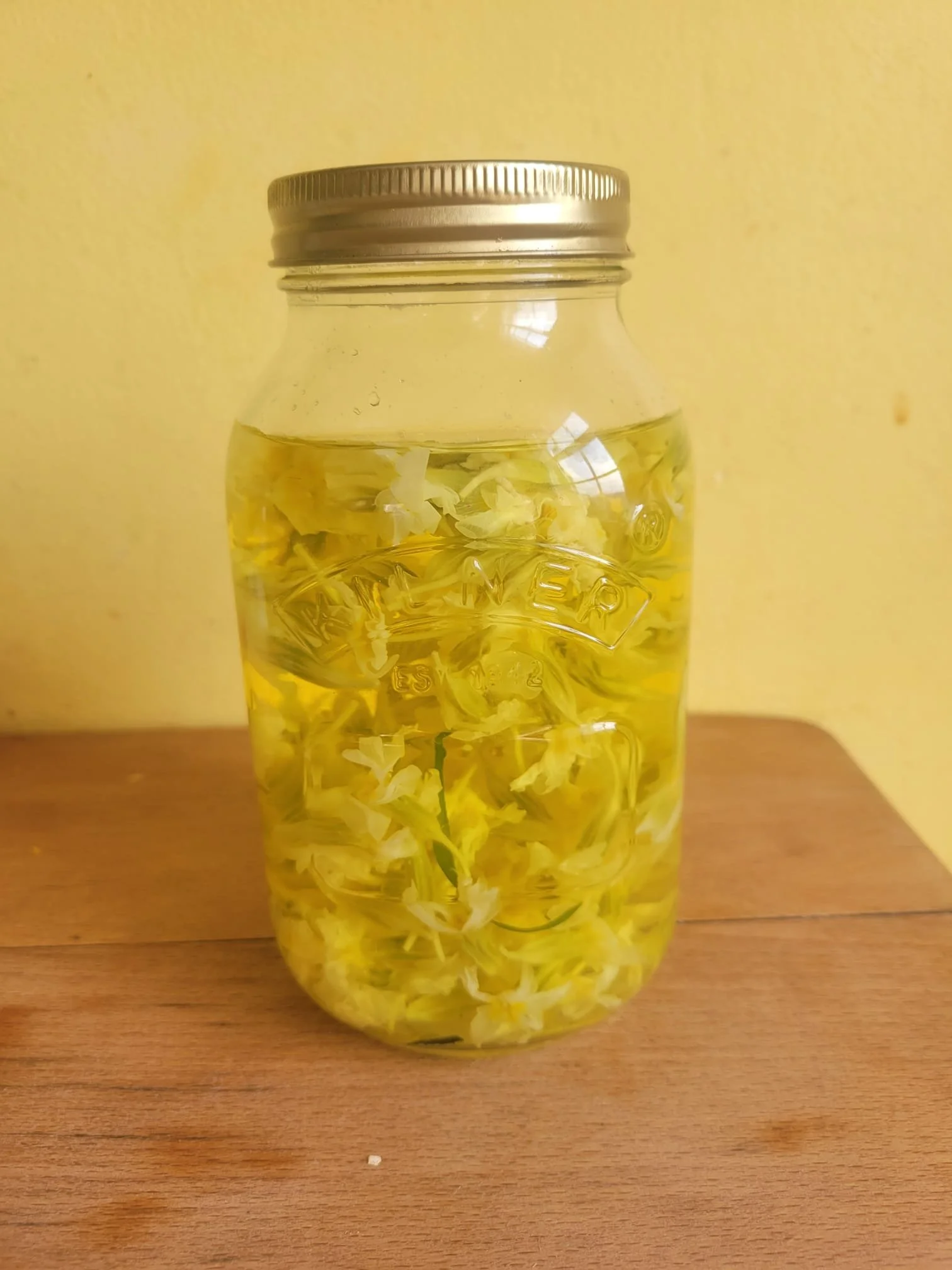
The flowers are a beautiful and sweet addition to salads. It also makes a really lovely herbal infused vinegar and syrup. I also enjoy picking them right off the plant and eating them throughout the spring whenever I come across them. The leaves can also be eaten in salads but be careful as they can be allergenic for some people.
Lastly in the spring I like to make up a tea blend of wild spring herbs to help cleanse, purify, and awaken the body after a long winter. I like to use the following herbs:
Mariam’s spring cleansing tea-blend:
2 parts Primrose flowers
2 parts Sweet violet leaf and flowers or viola tricolour
2 parts Nettle tops
1 part Dandelion leaf and flower
Cowslips experienced a period of decline around much of the UK, but today are recovering. Please do not dig up wild plants I would only dig up plants that I have cultivated myself. Cowslips are not that common so please do not pick the flowers, you can use primroses instead if they are growing abundantly around you.
If you’d like to hear more about the primrose and cowslip, here is an interesting podcast with herbalists Fiona Heckles of Seed Sistas and Natasha Richardson at Forage Botanicals.
If you’d like to learn more about medicinal and edible plants this spring, please do join us on one of our workshops or courses. Full dates and what we have an offer can be found here.
Article written by Mariam Mohamed