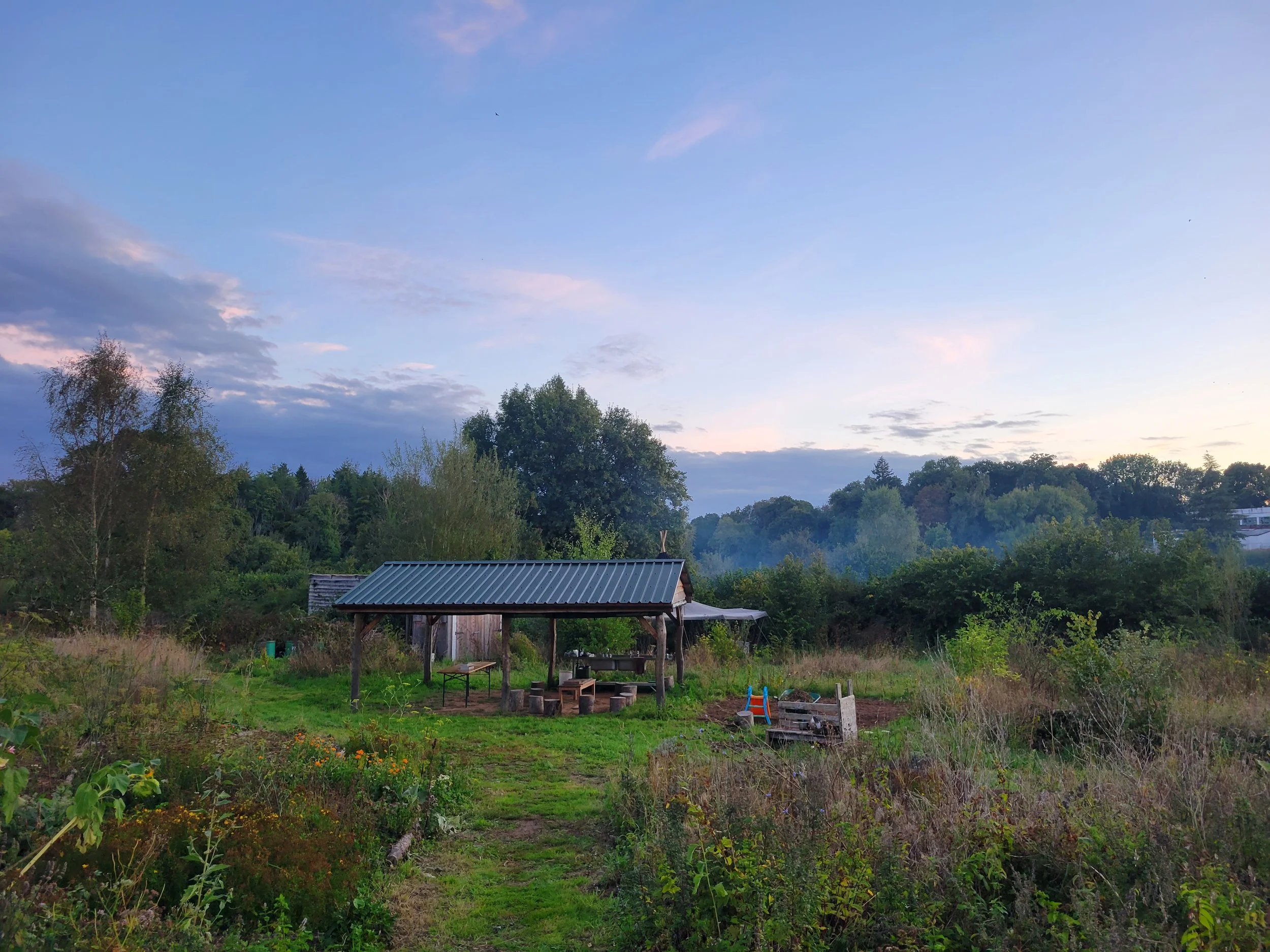
Looking back at 2025 with Radical Plant Folk
We are super thankful to everyone who has joined us throughout the year and helped transform the garden into a beautiful community space, both for people and wildlife. Although we have had the plot since 2021, we haven’t made much change to the garden since we took it on. It has been a slow transition as we have got to know the site more deeply over the years.
2024 was our first full year of funding and involved a lot of dreaming up new designs and putting in the basic infrastructure. 2025 has been the implementation of many of those ideas and dreams. Most people don’t know that we spent most of 2025 completely unfunded, however we continued to run community garden sessions, understanding how important the days are for our volunteers, for us and the land. It has really been a year of building community, and co-creating a multigenerational and multicultural space rooted in care for nature and each other, herbs, food and joy.
Community garden days at the herb garden
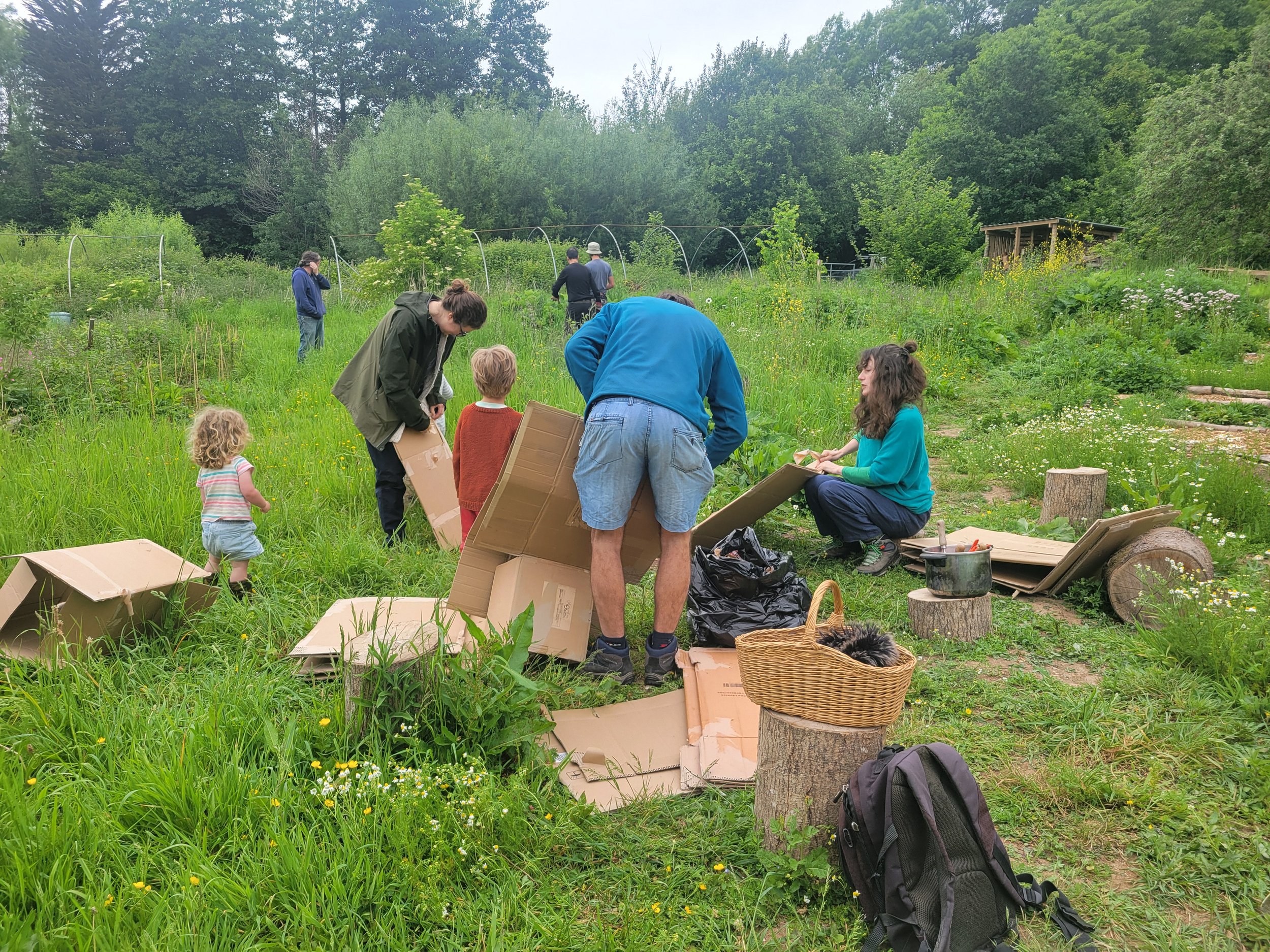
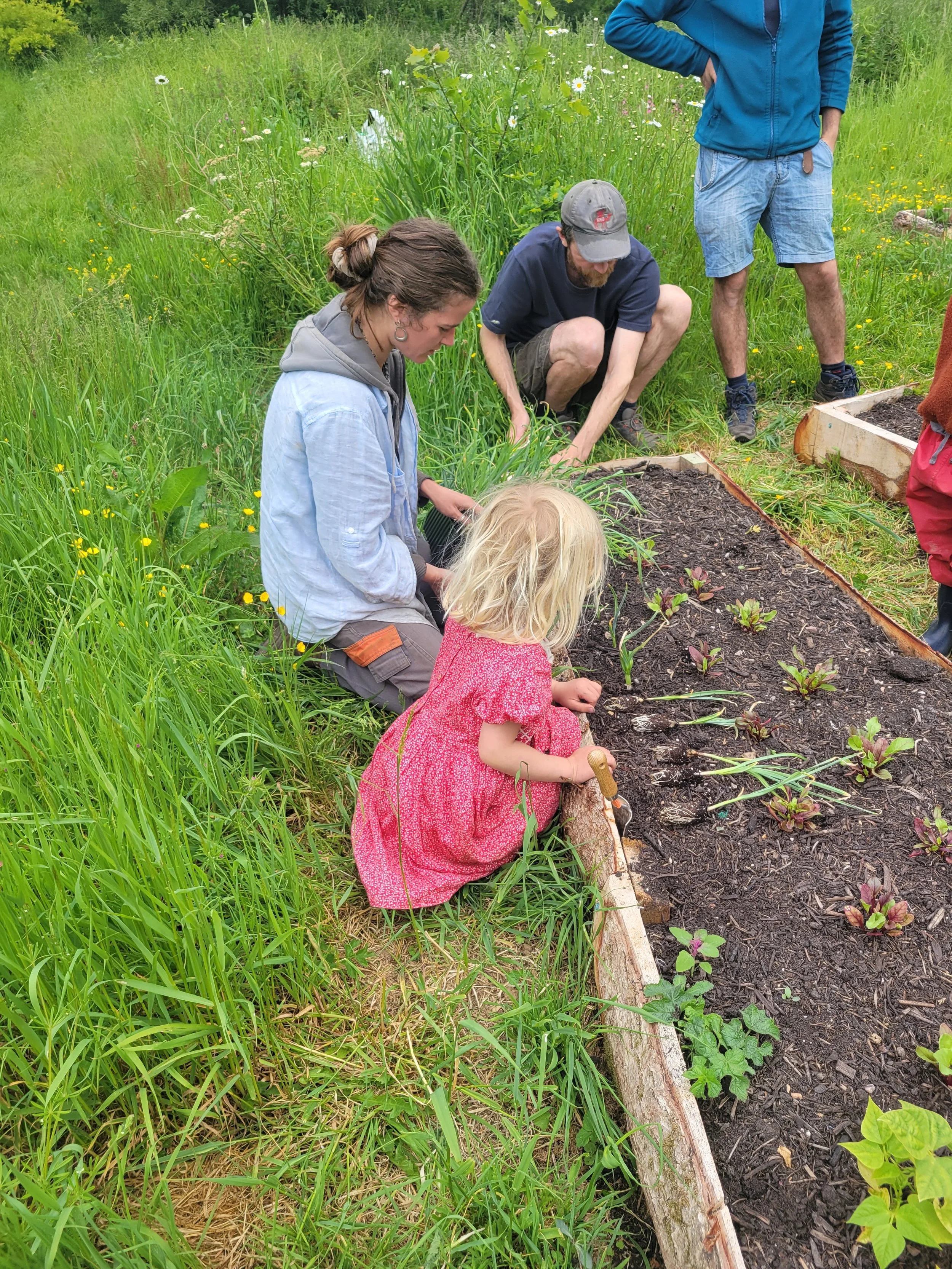
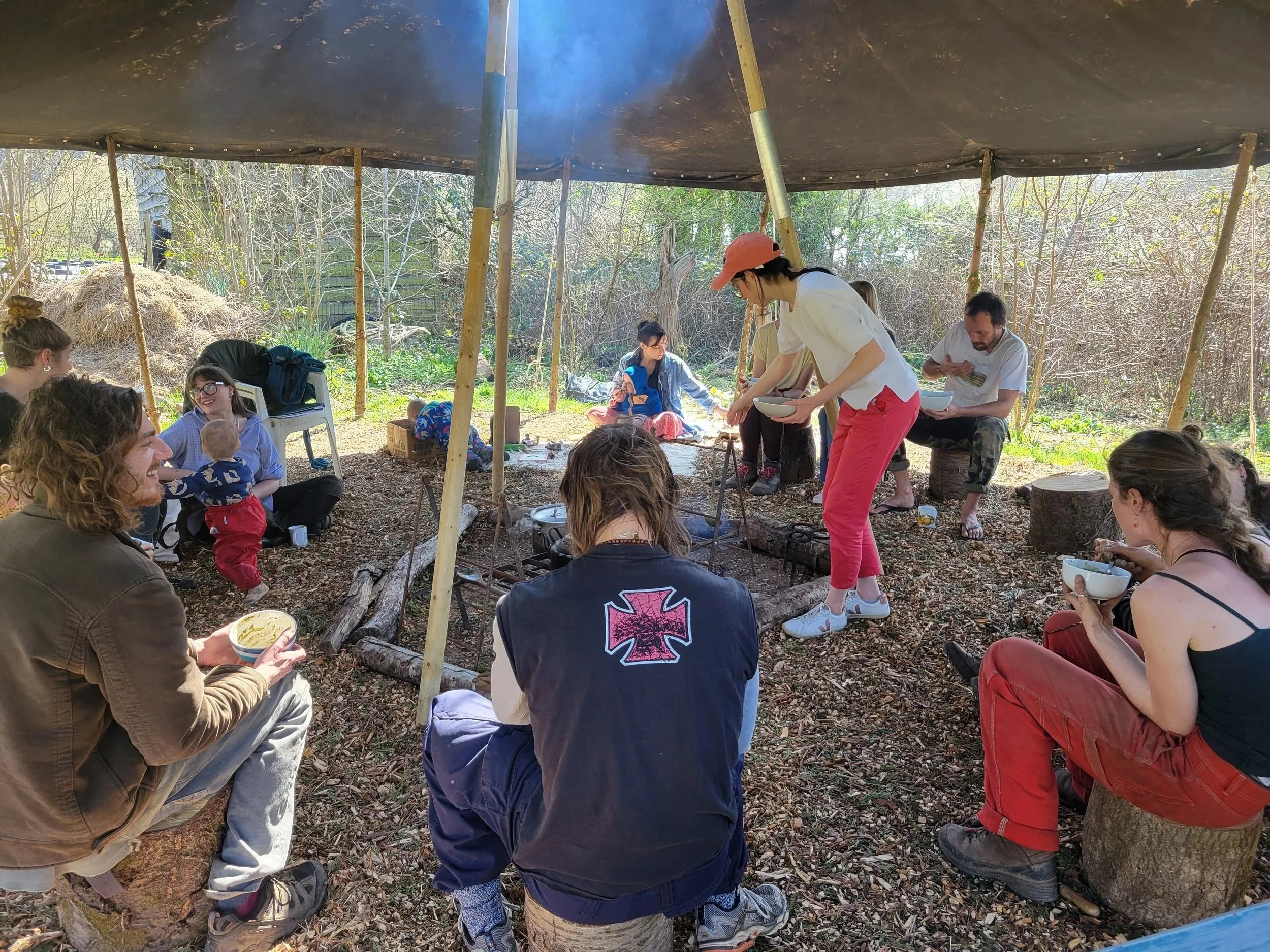
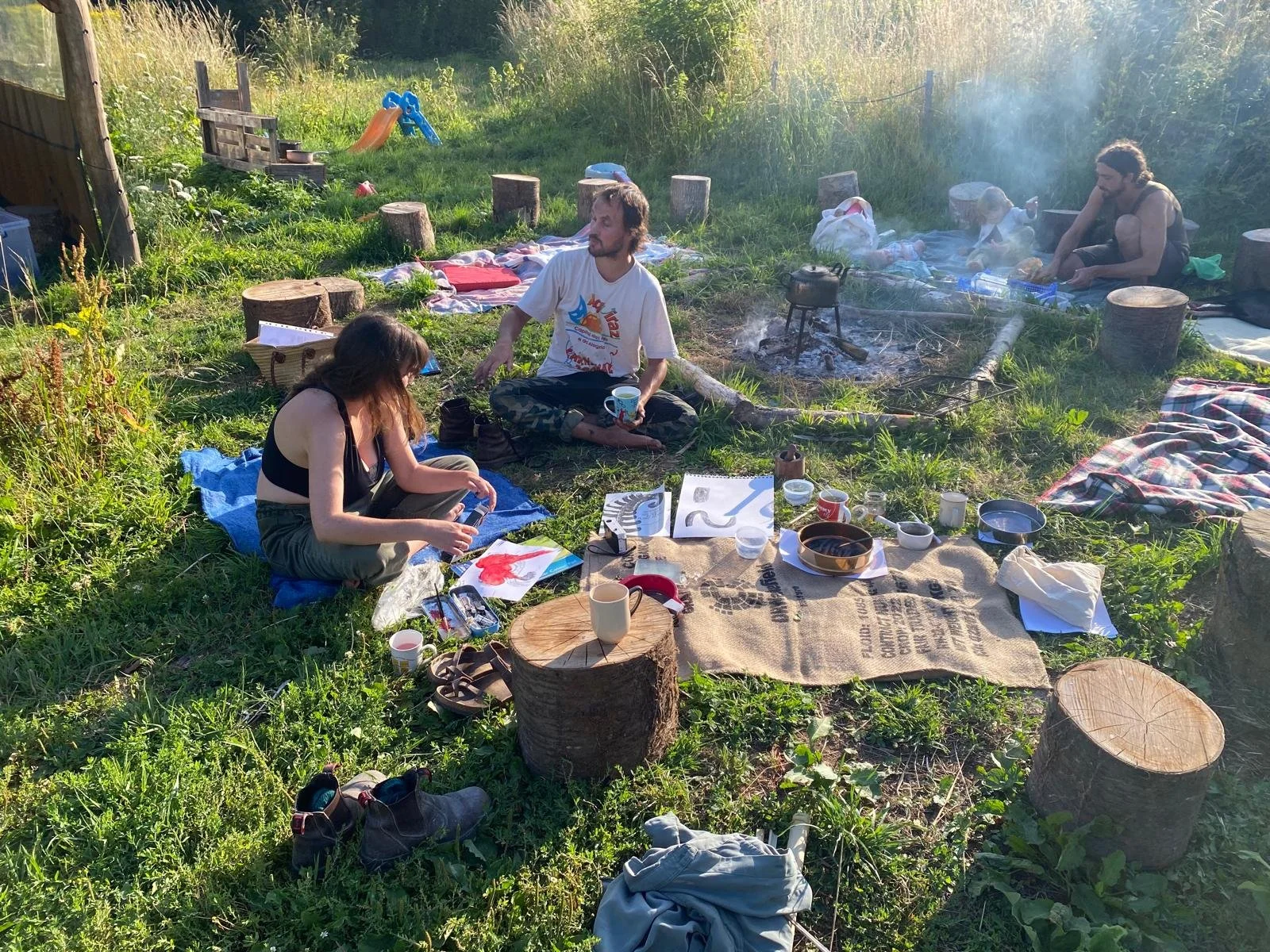
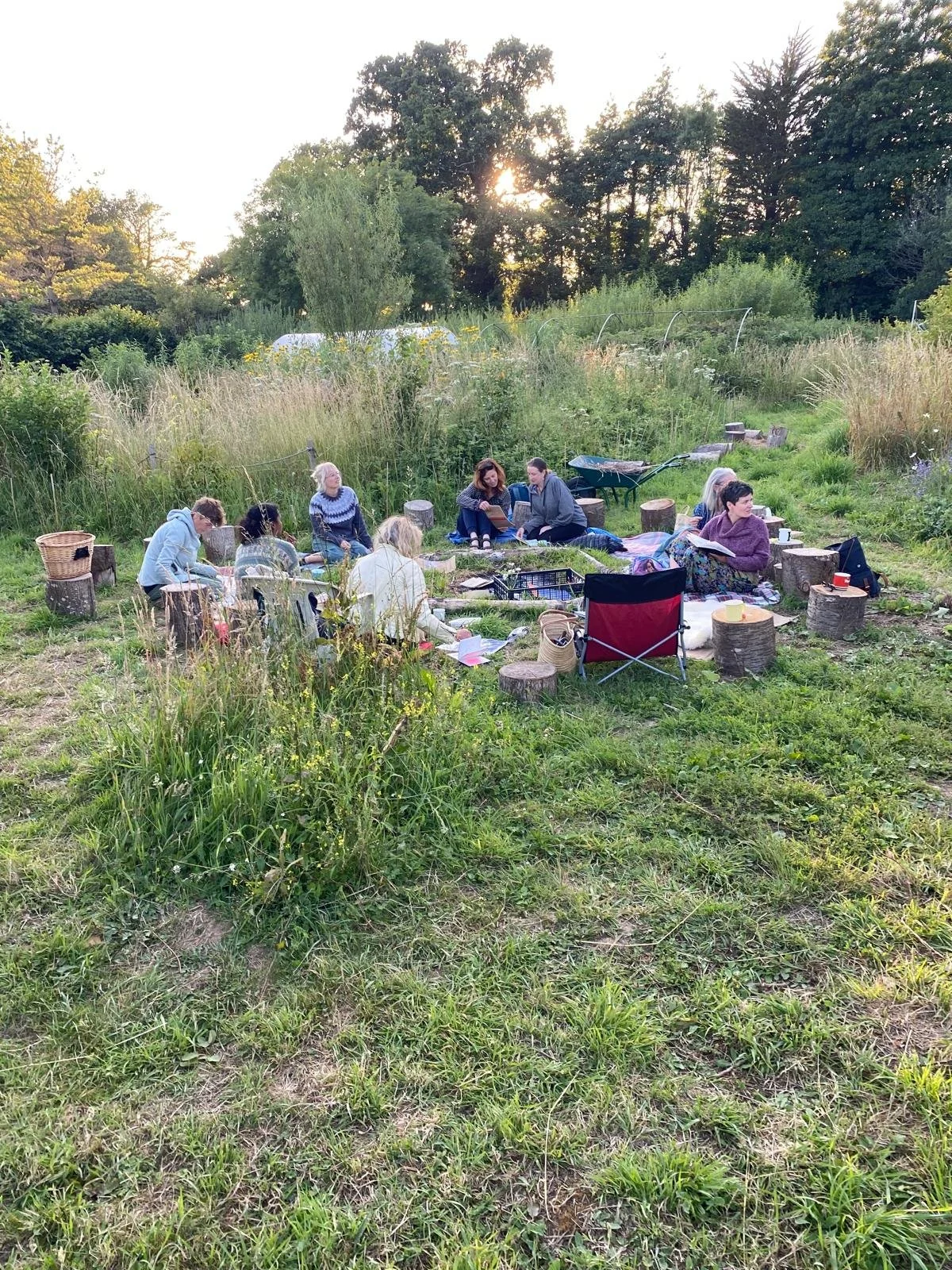
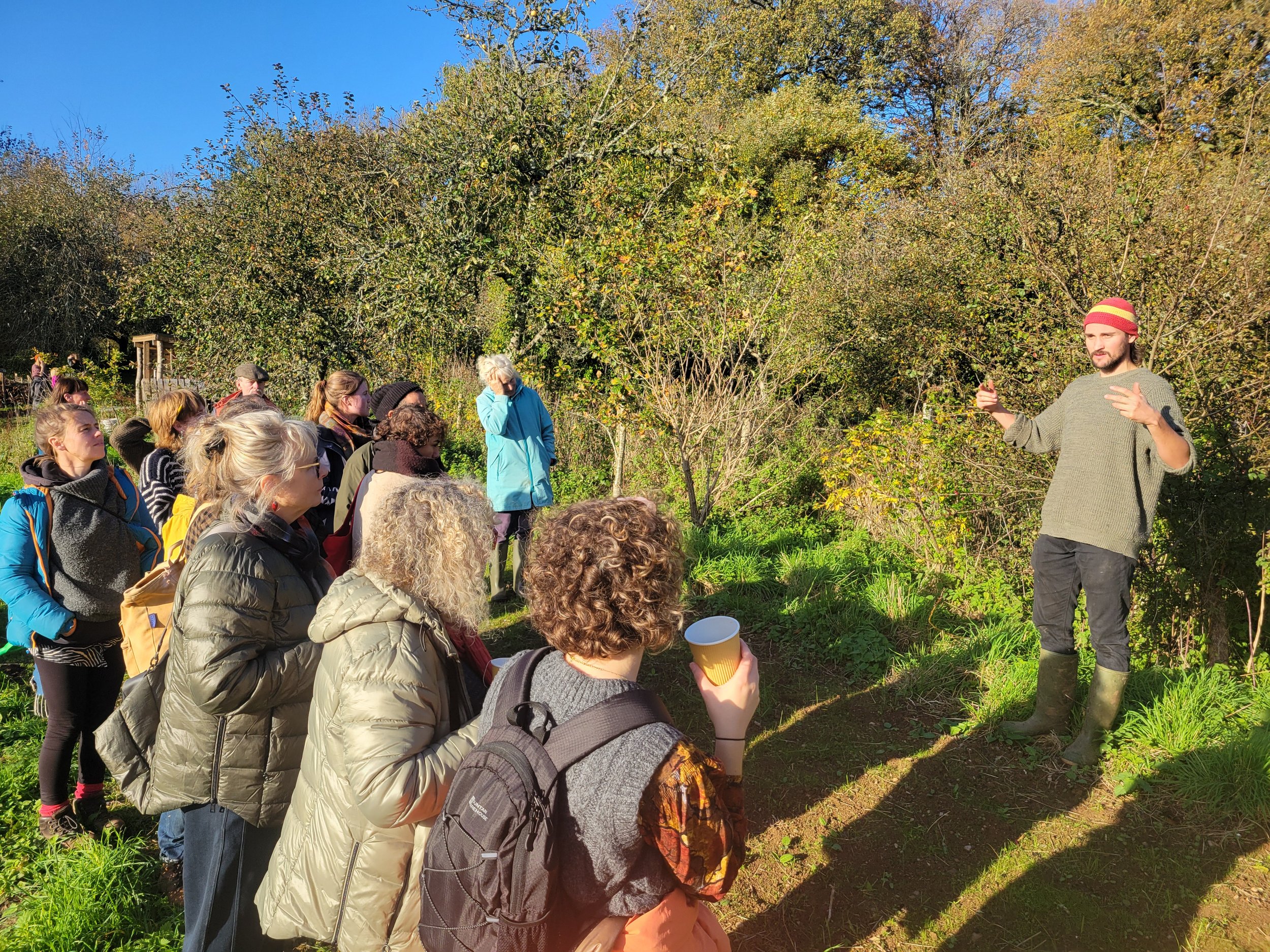
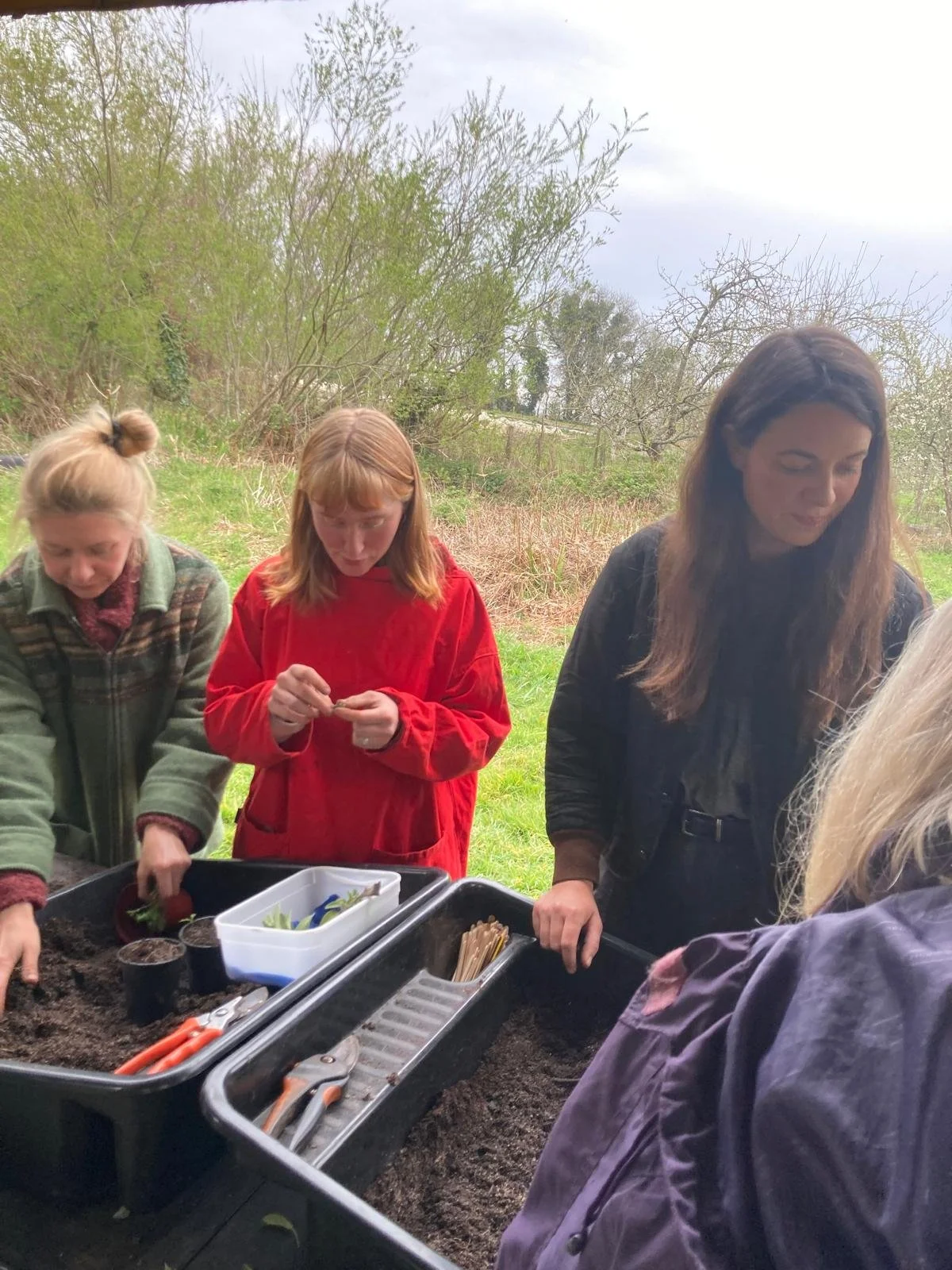
It has truly felt like a village on the land. Community garden days have seen an average of 20-30 people at each session. We have welcomed in many parents and children, and it’s been incredible to see the children build relationships with each other, other adults and the land around them, getting stuck into tasks and creative play. It has been super lovely having a core crew of people returning throughout the year. We are really looking forward to welcoming people back into the space again next year.
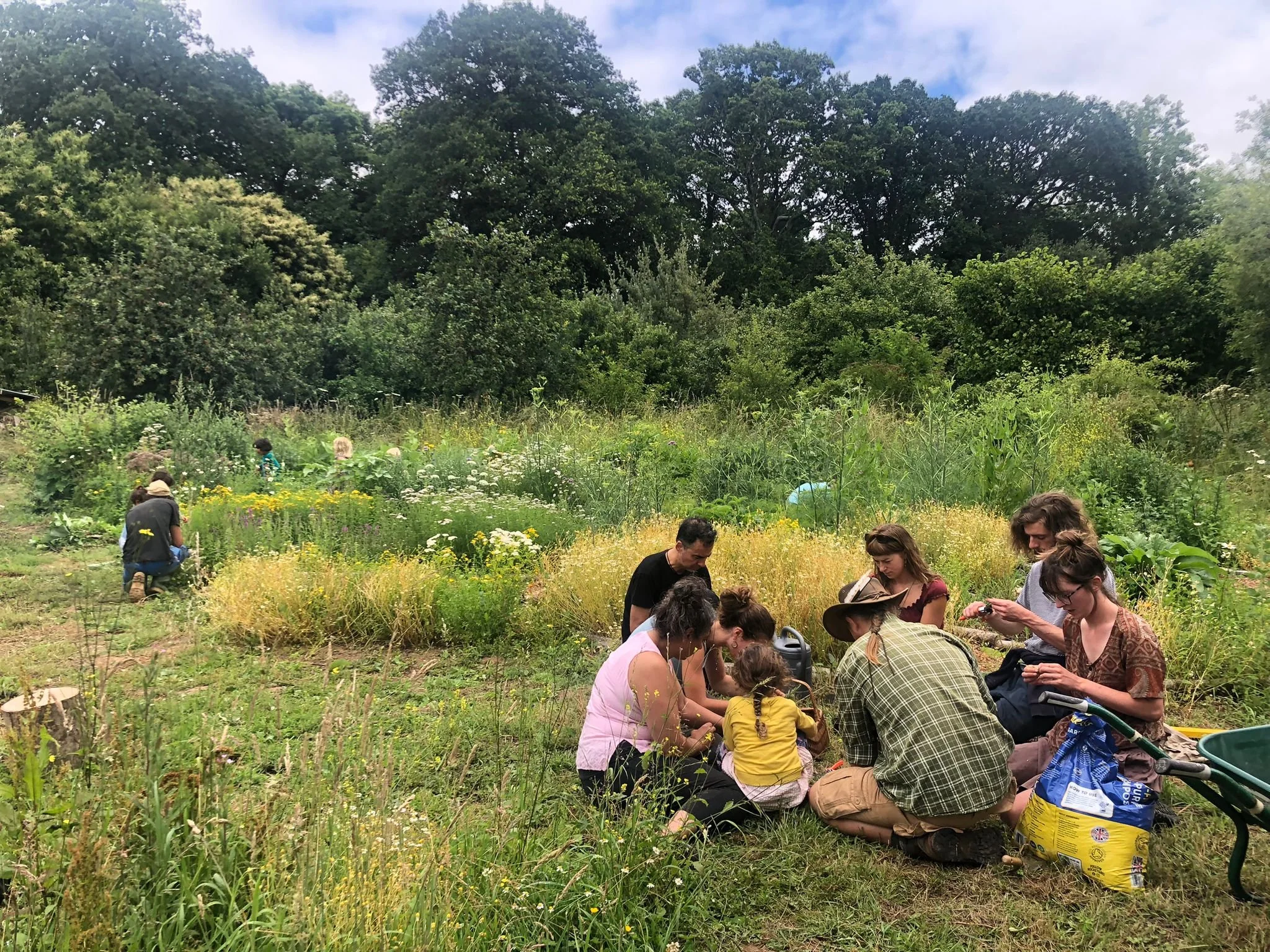
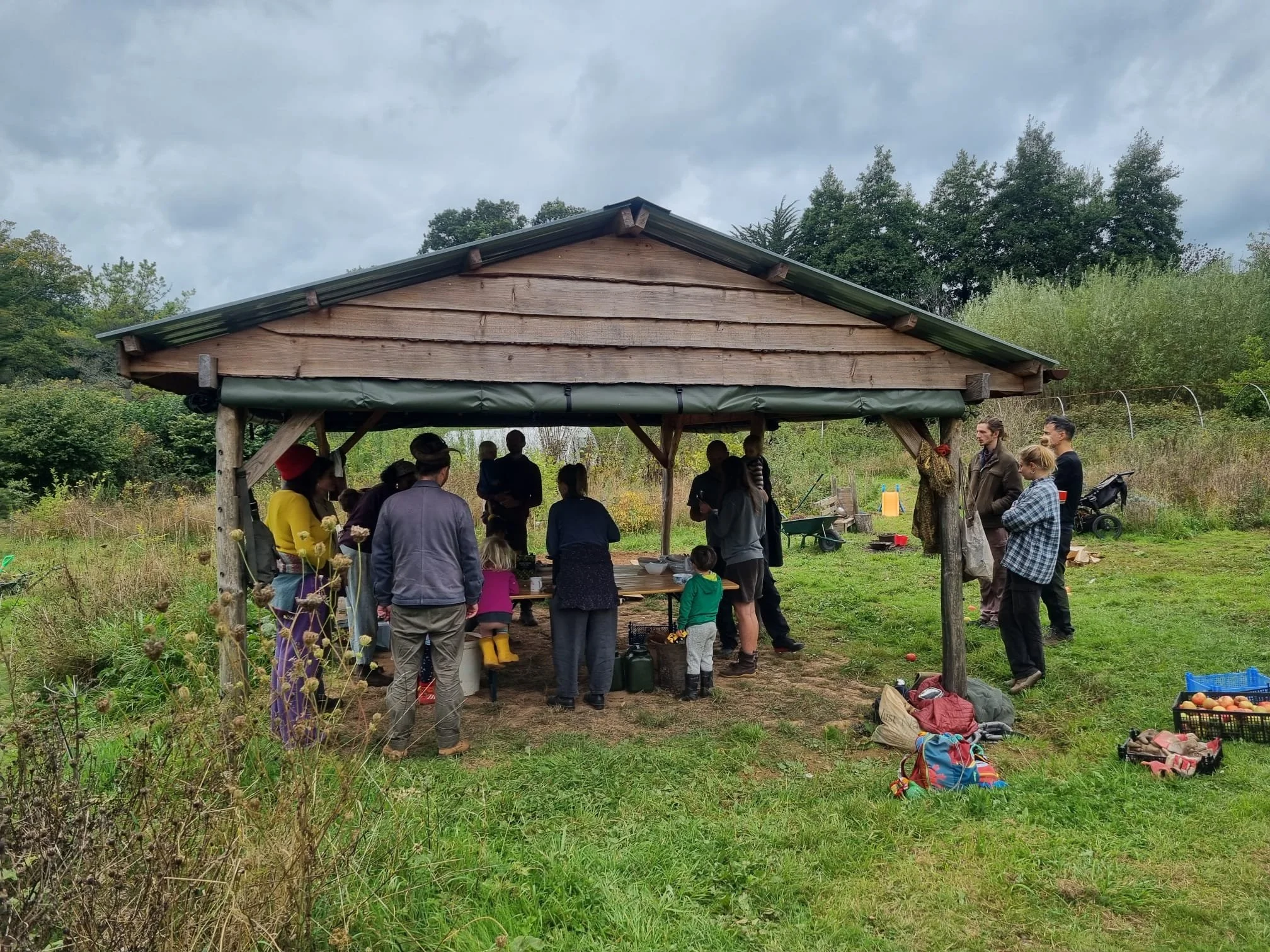
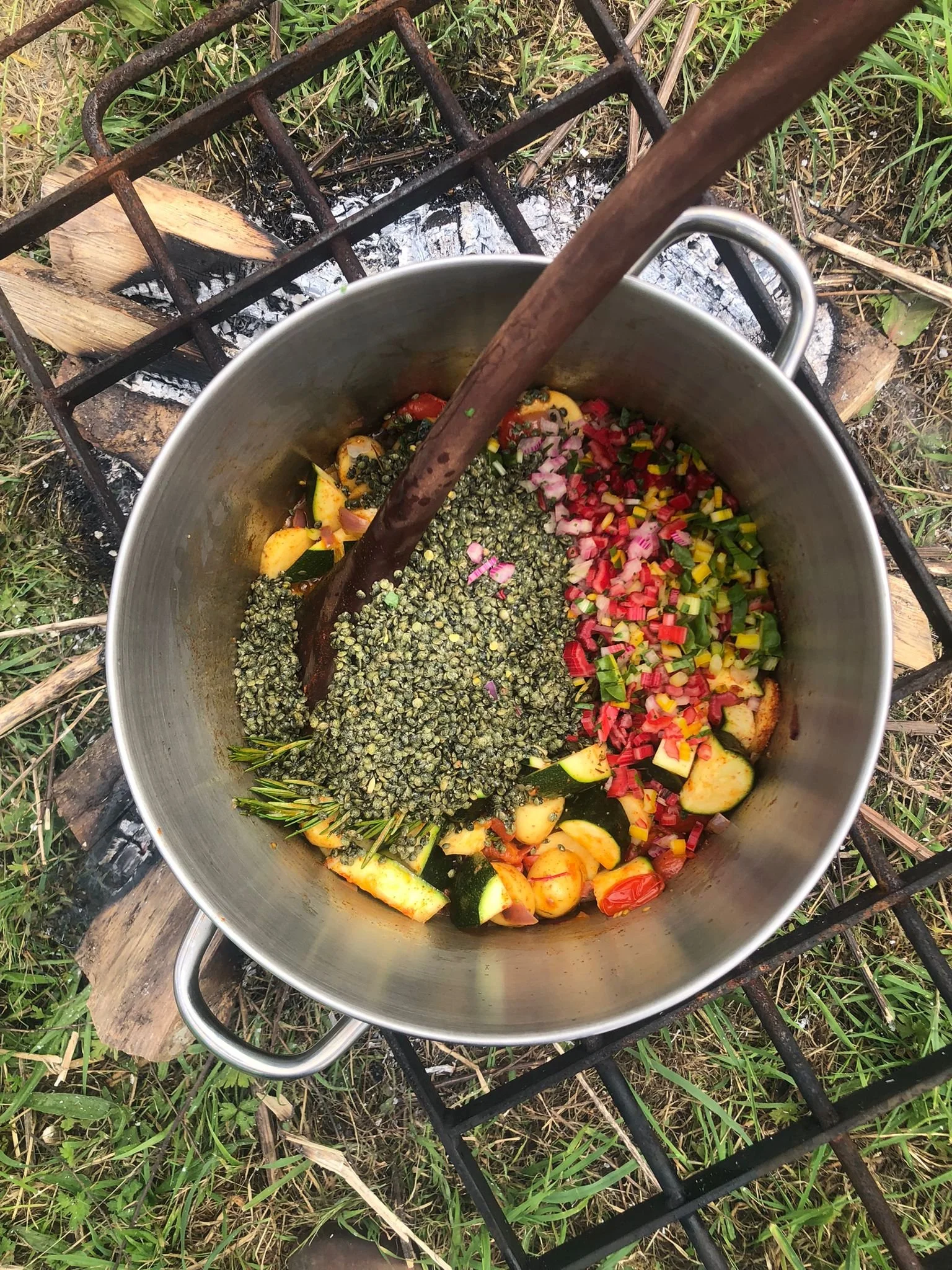
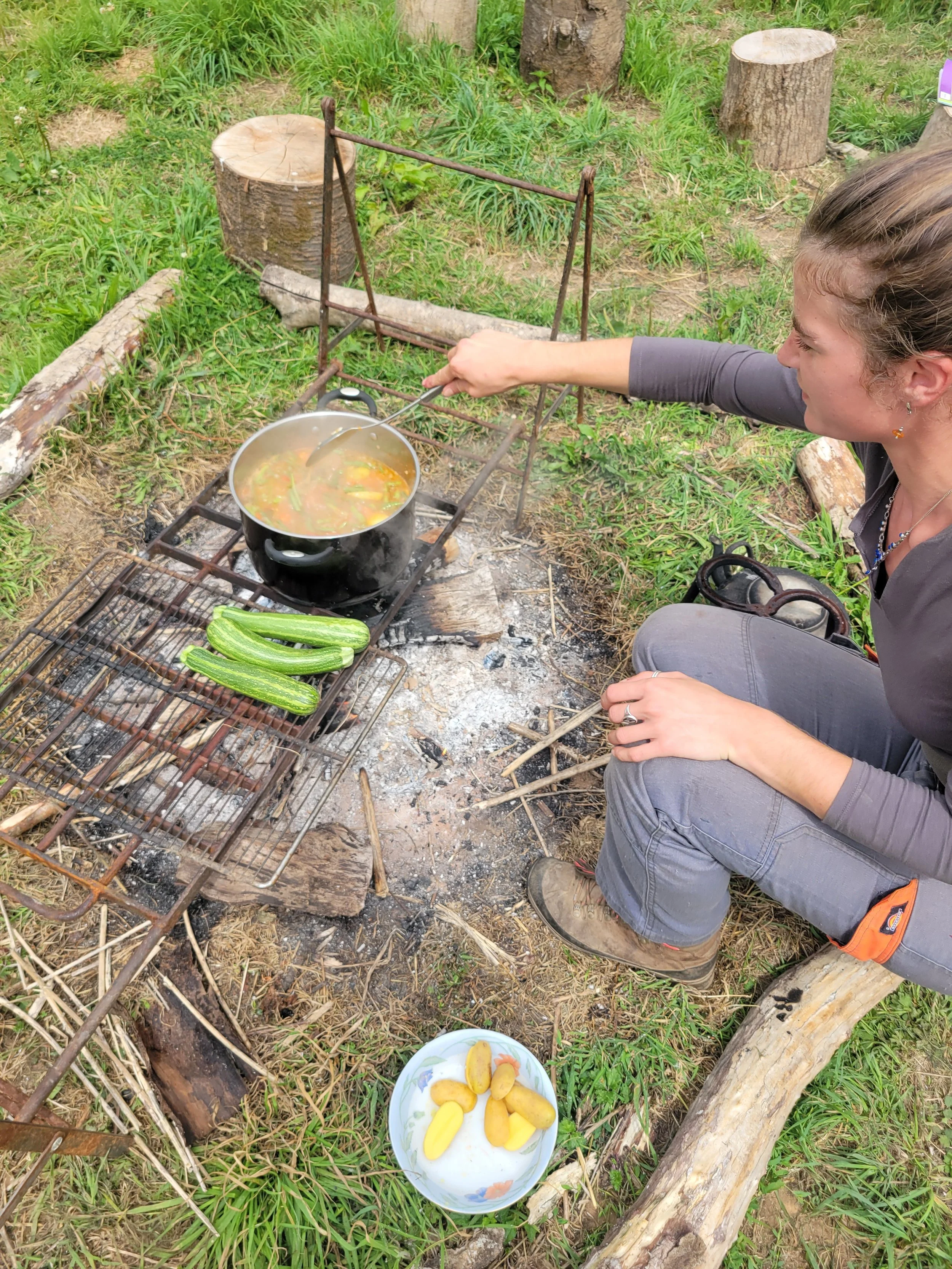
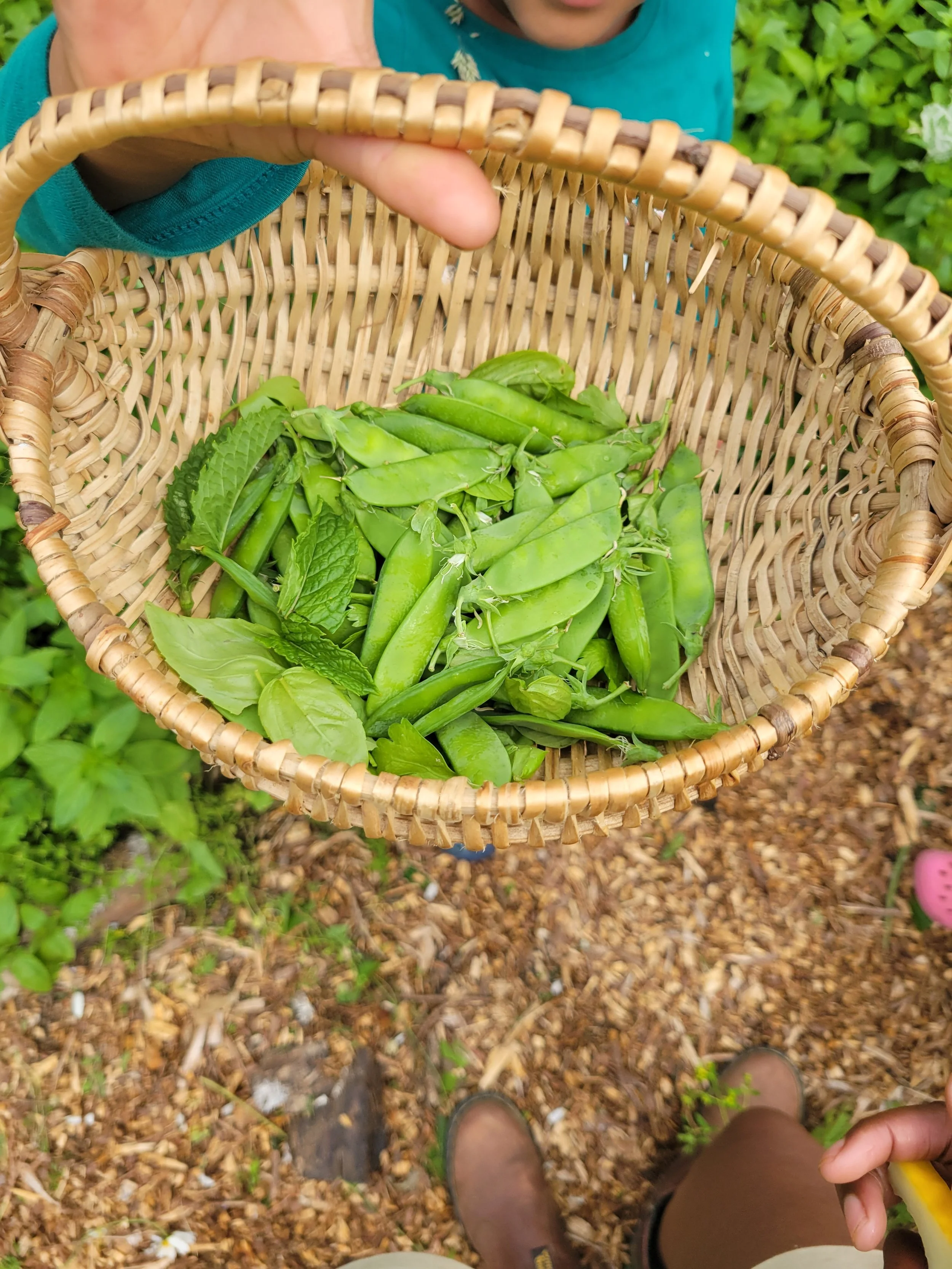
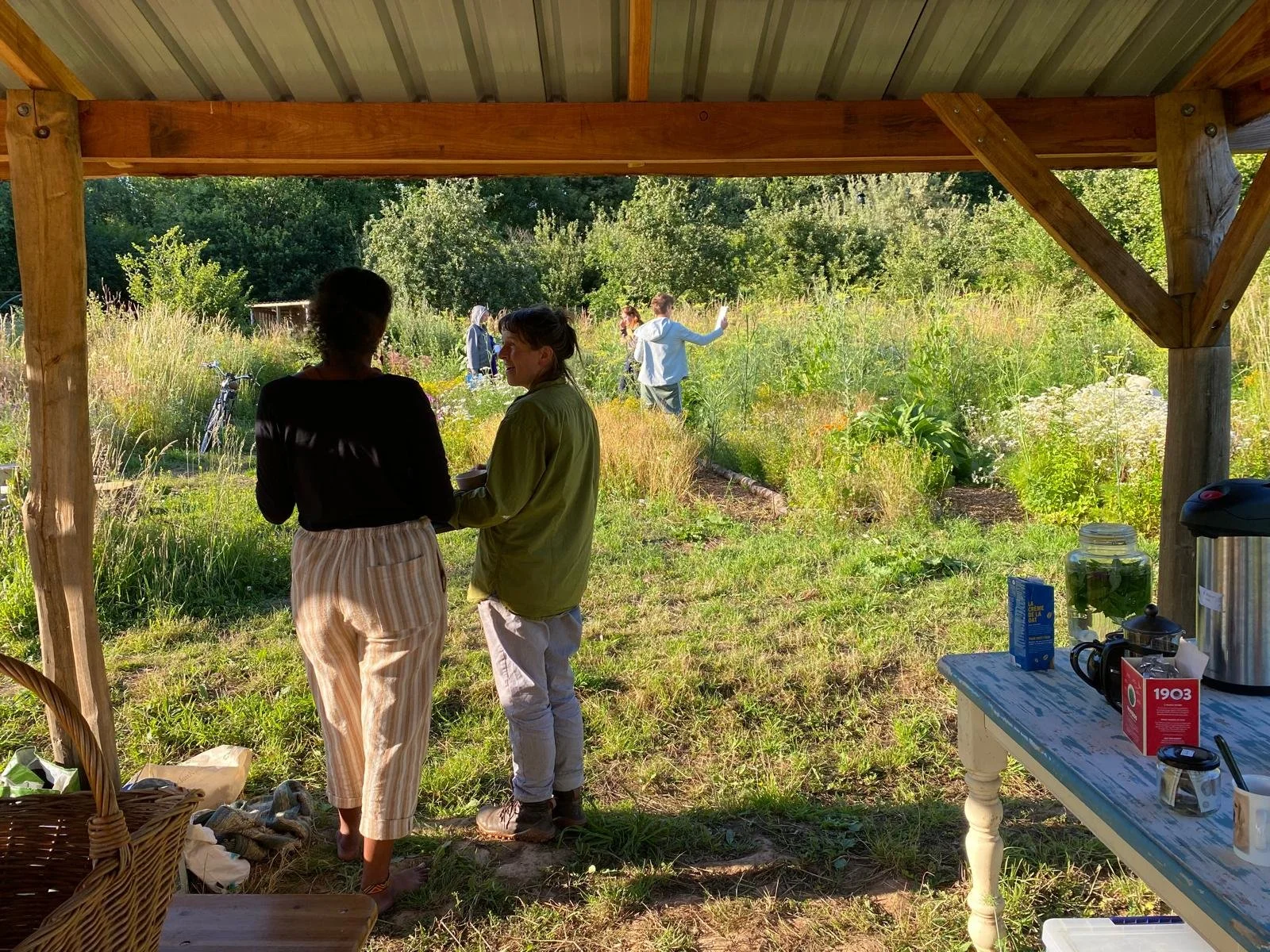
For many of our volunteers cooking on the fire has been a first time experience. We have loved sharing recipes, picking herbs and vegetables from the garden together and transforming them into huge pots of steaming stews, soups and salads. We now own a pretty massive pot and massive spoon! Many volunteers would appear with veg from their own veg boxes, allotments and gardens to share making meals even more special. The kids also did a good job of eating our peas and strawberries.
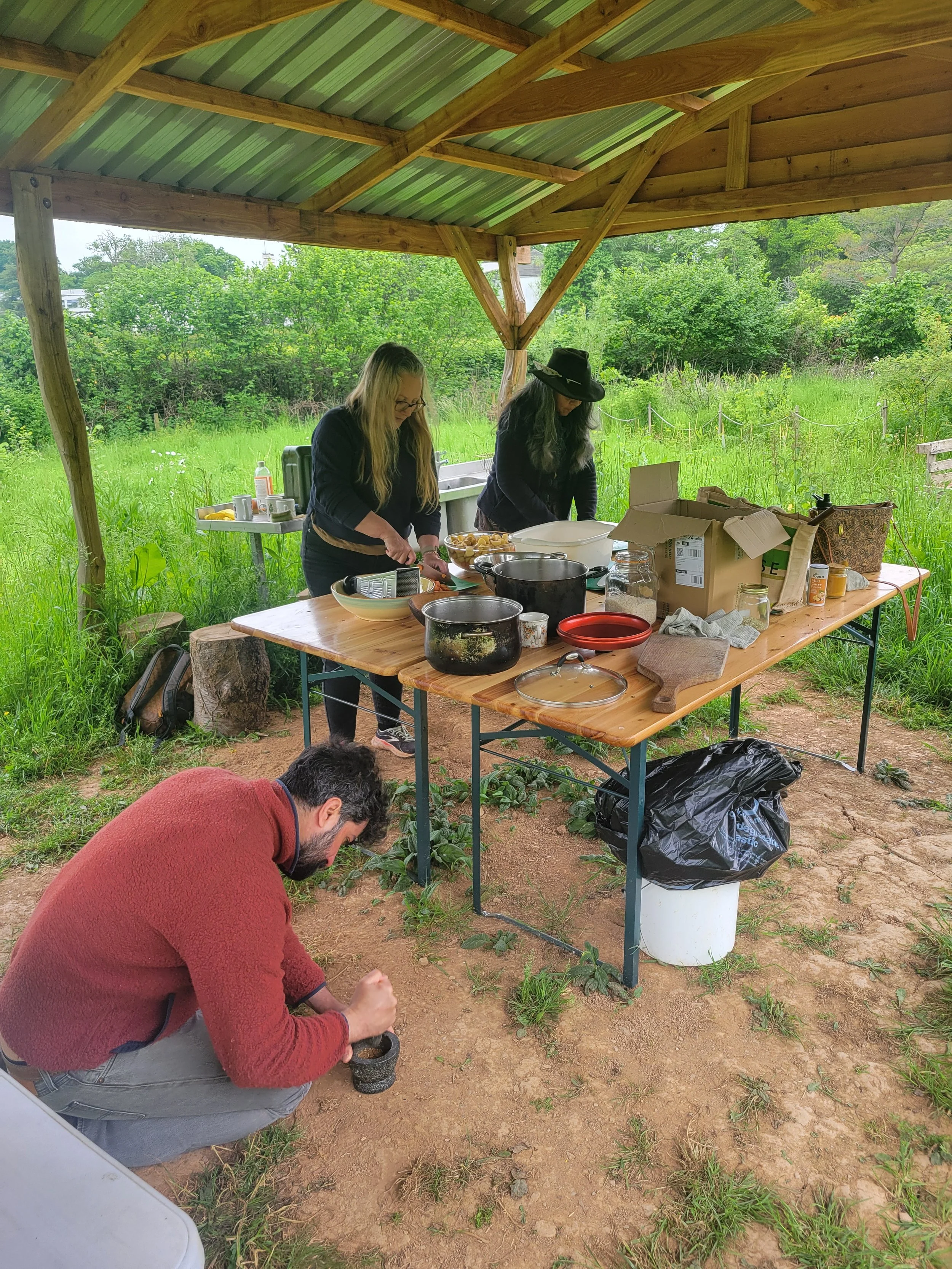

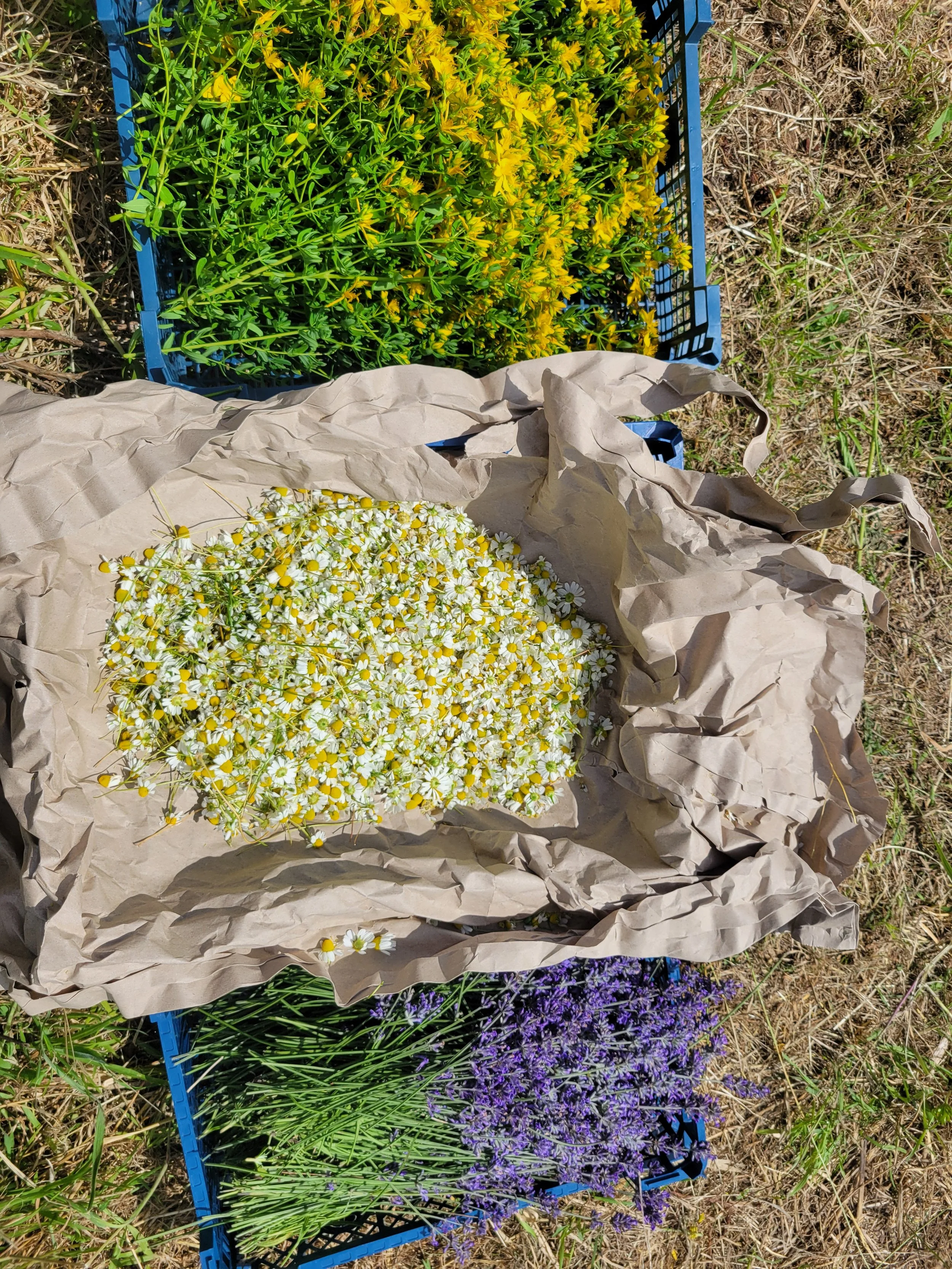
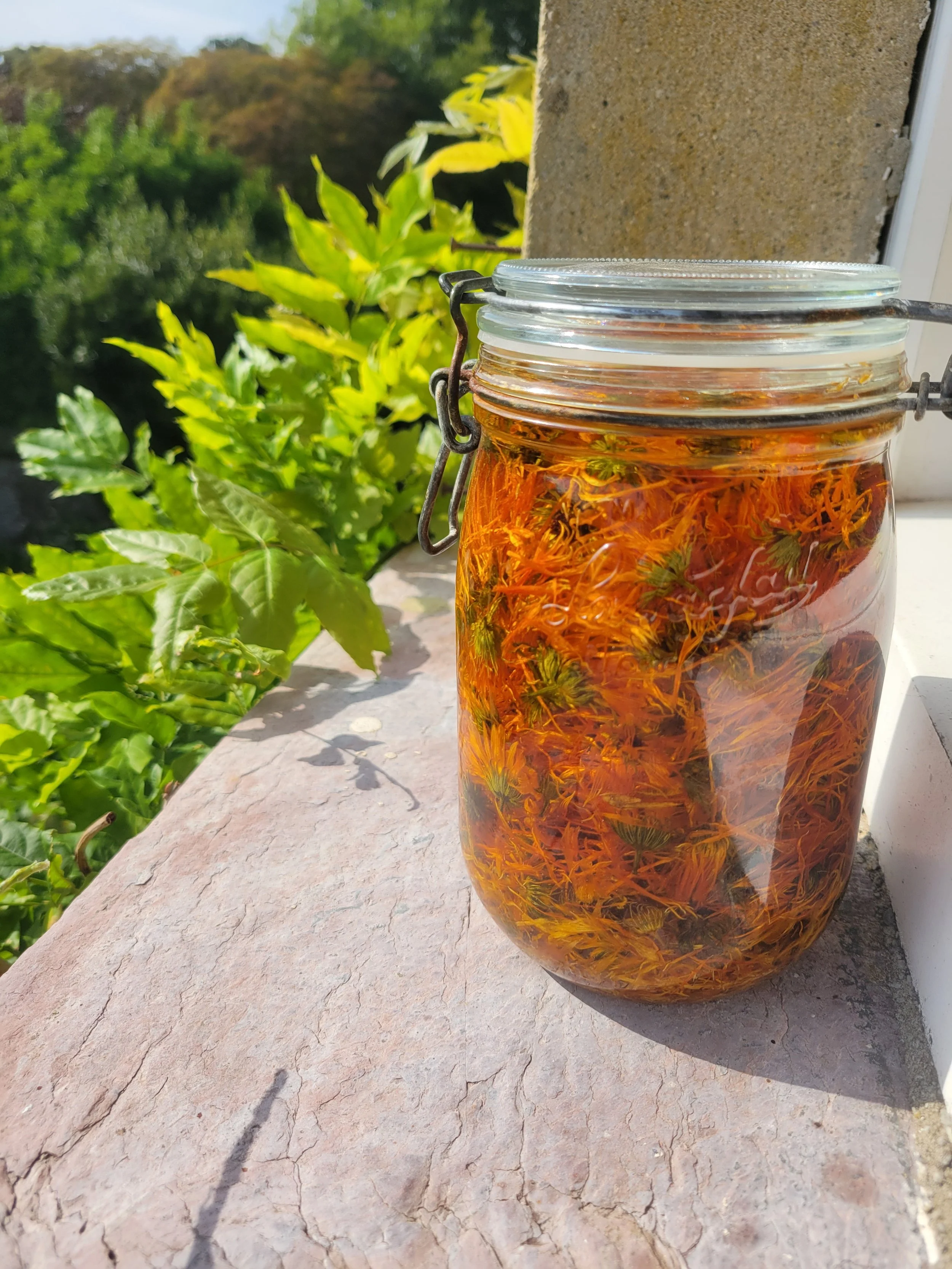
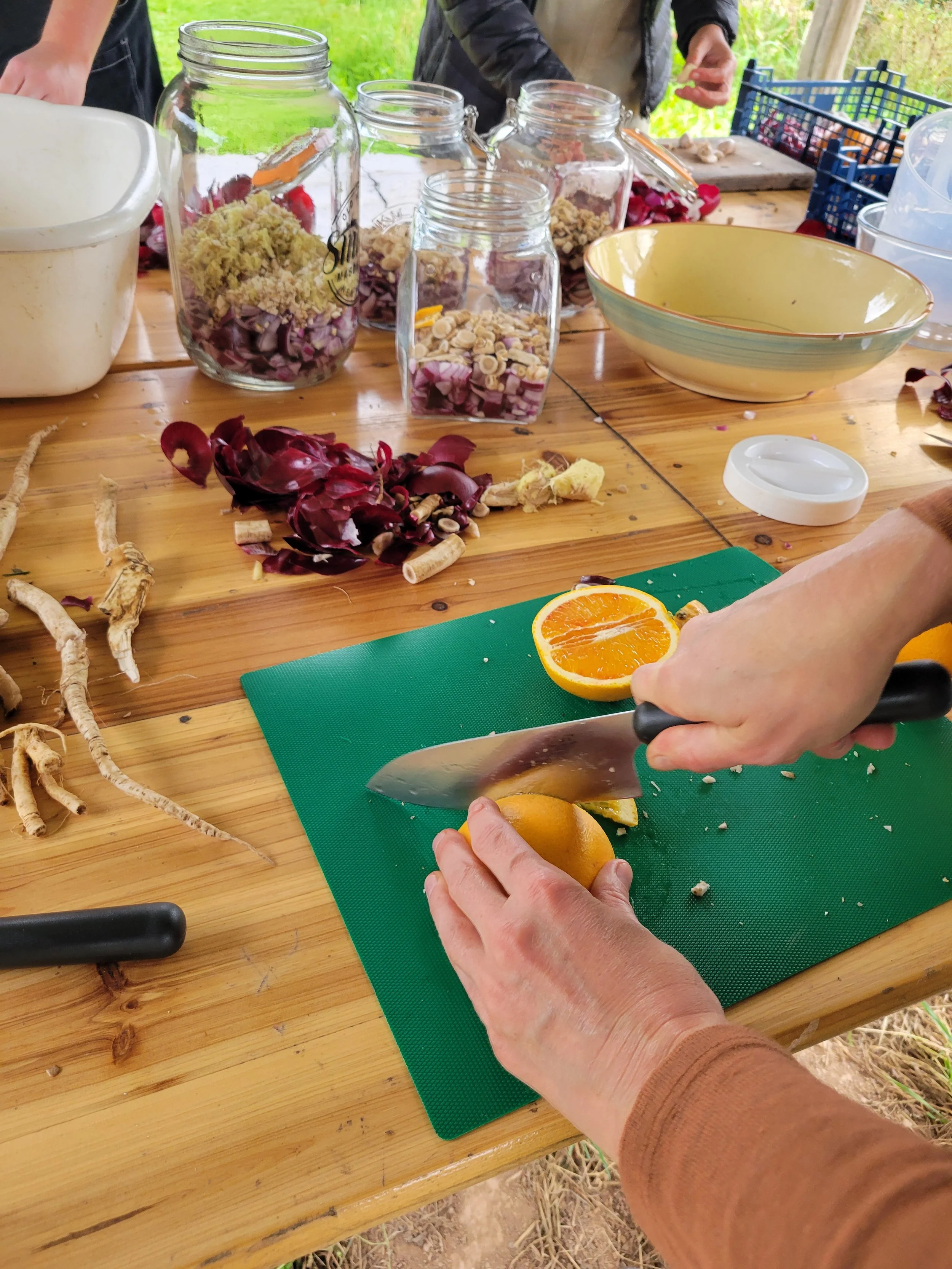
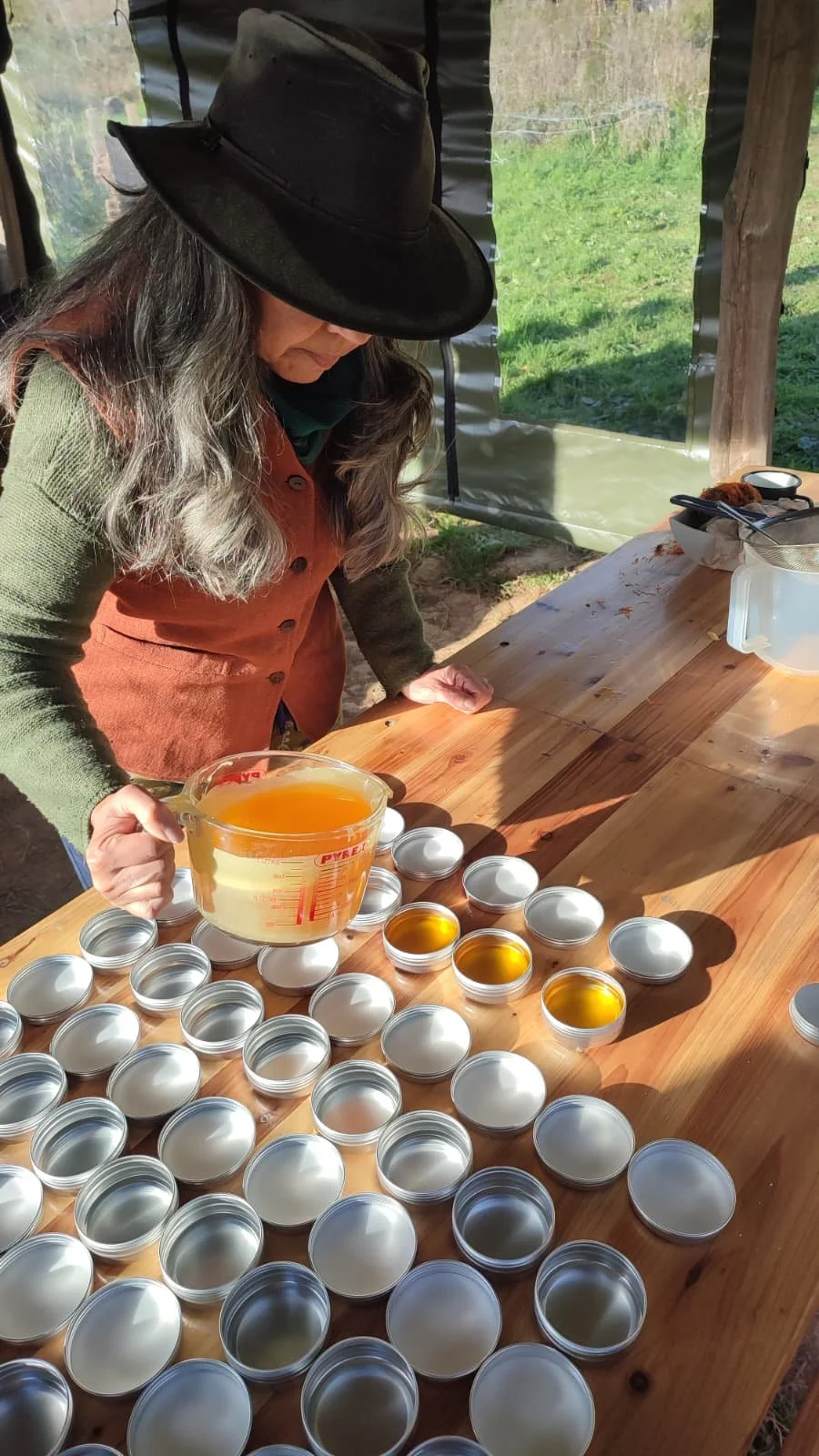
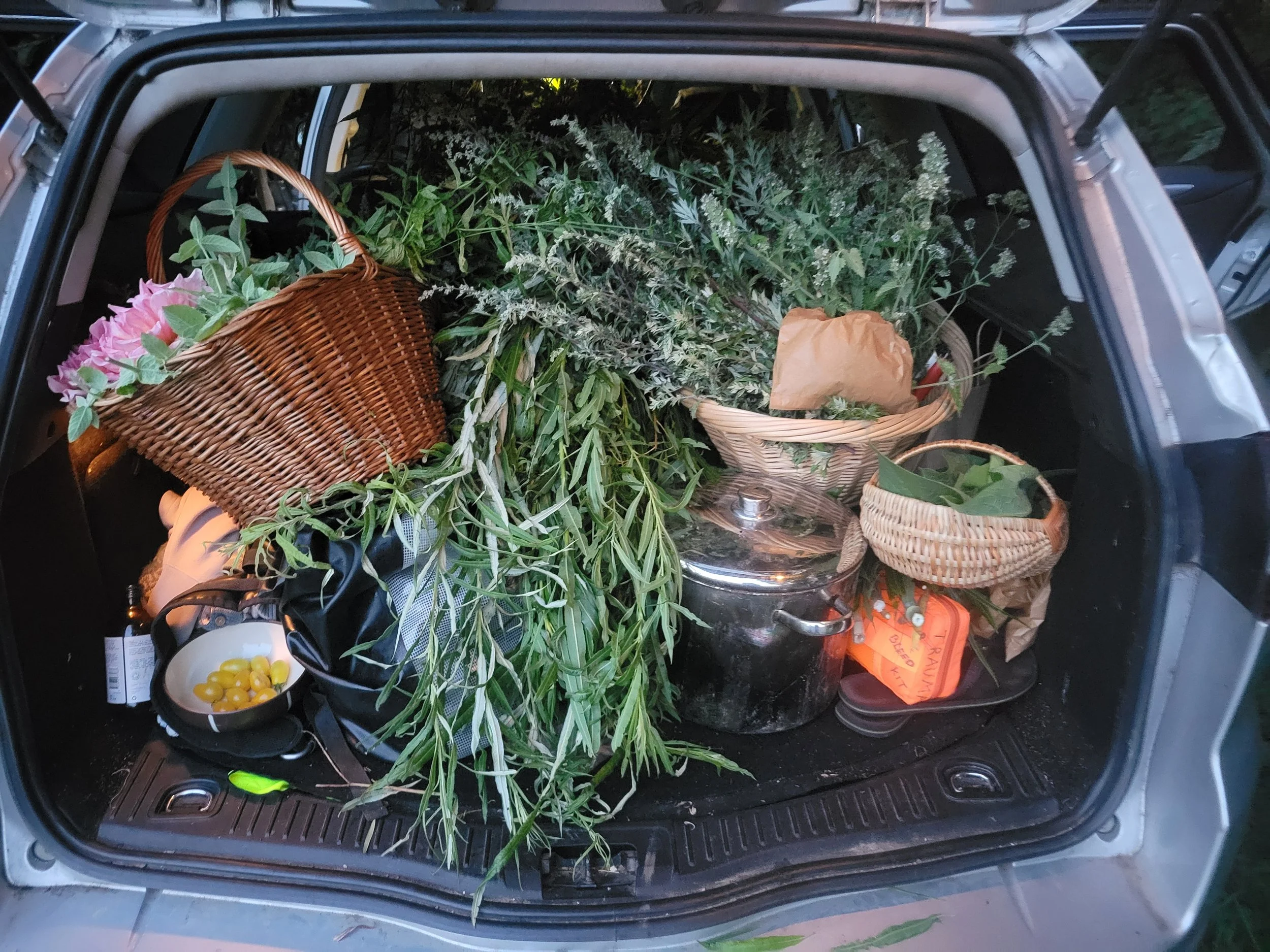
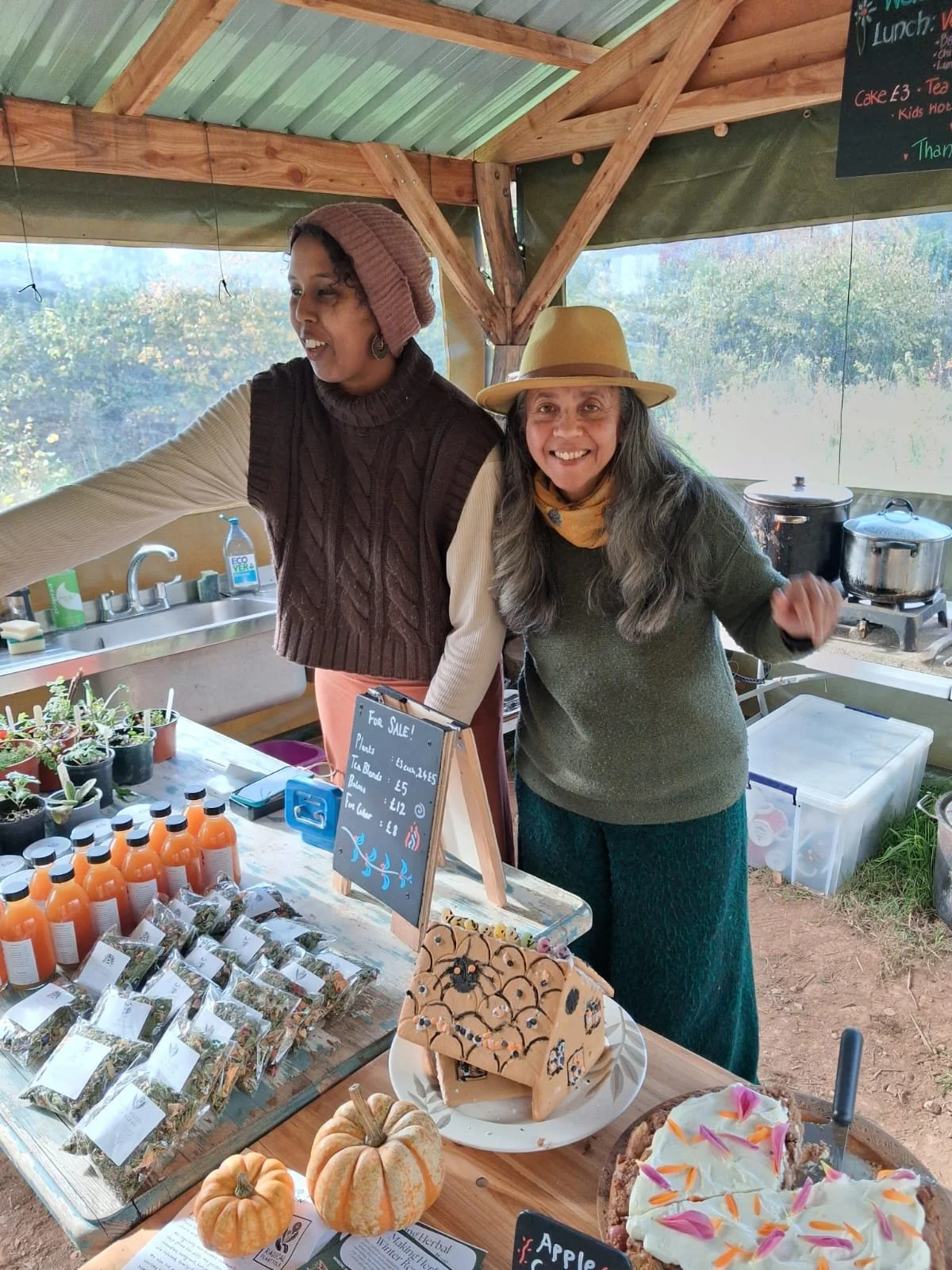
We began making remedies together as part of our community gardening sessions in the autumn and that felt like a full circle had been completed. From seed, to harvest right to medicine, and back into the hands of all those involved, and out into the wider community through our open days. We have a fairly well stocked apothecary now and over the winter months we will be using the dried herbs in workshops and host some remedy making, herb hang-out days for our volunteers. We will definitely be doing more medicine making together in the future as part of our community garden days and more open days.
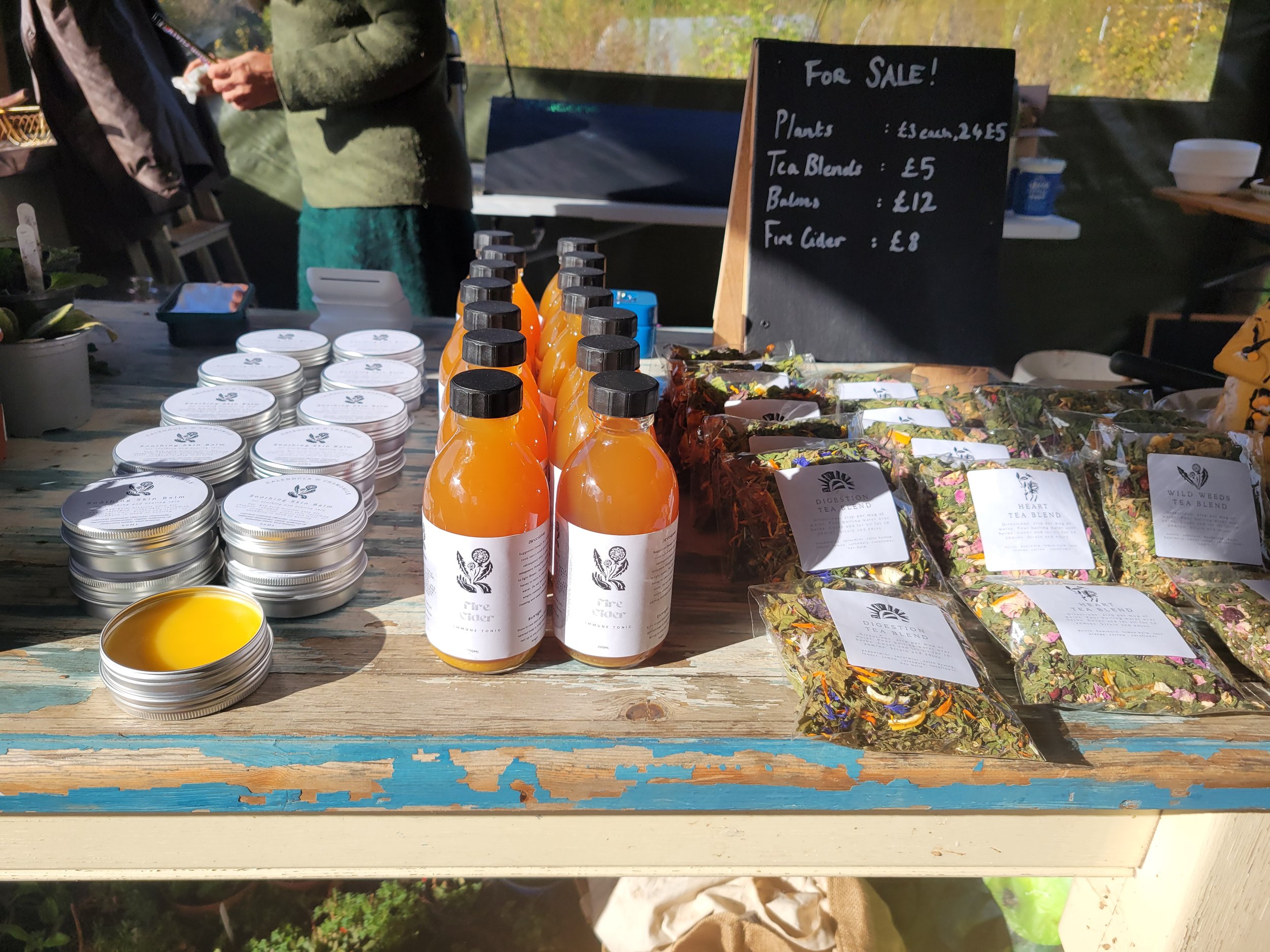
The Garden in 2025
Travelling and returning back in late February meant a slow start to the garden, but we quickly caught up and began implementing our dreams of establishing the new herb and kitchen garden designs.
The herb beds
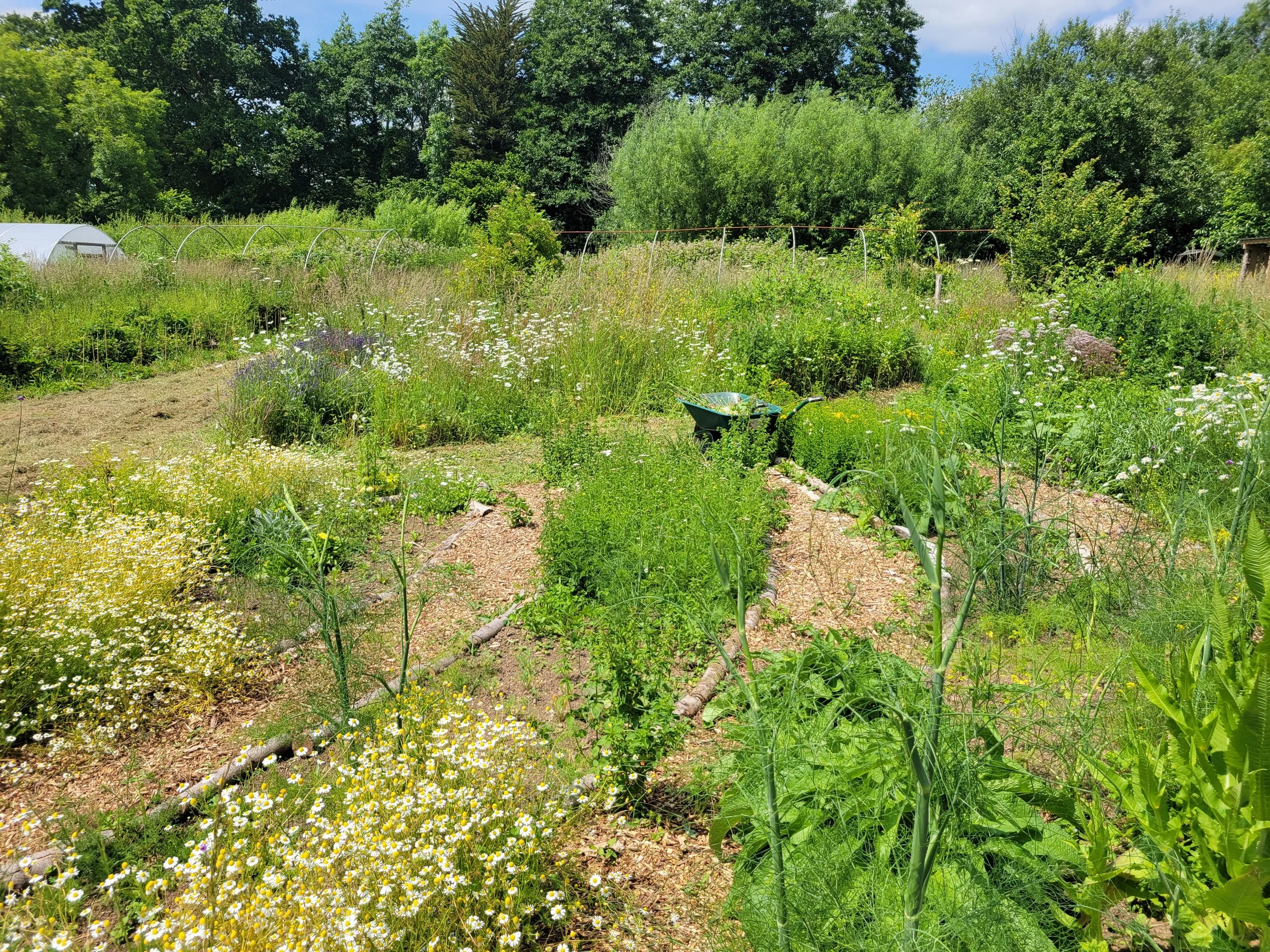
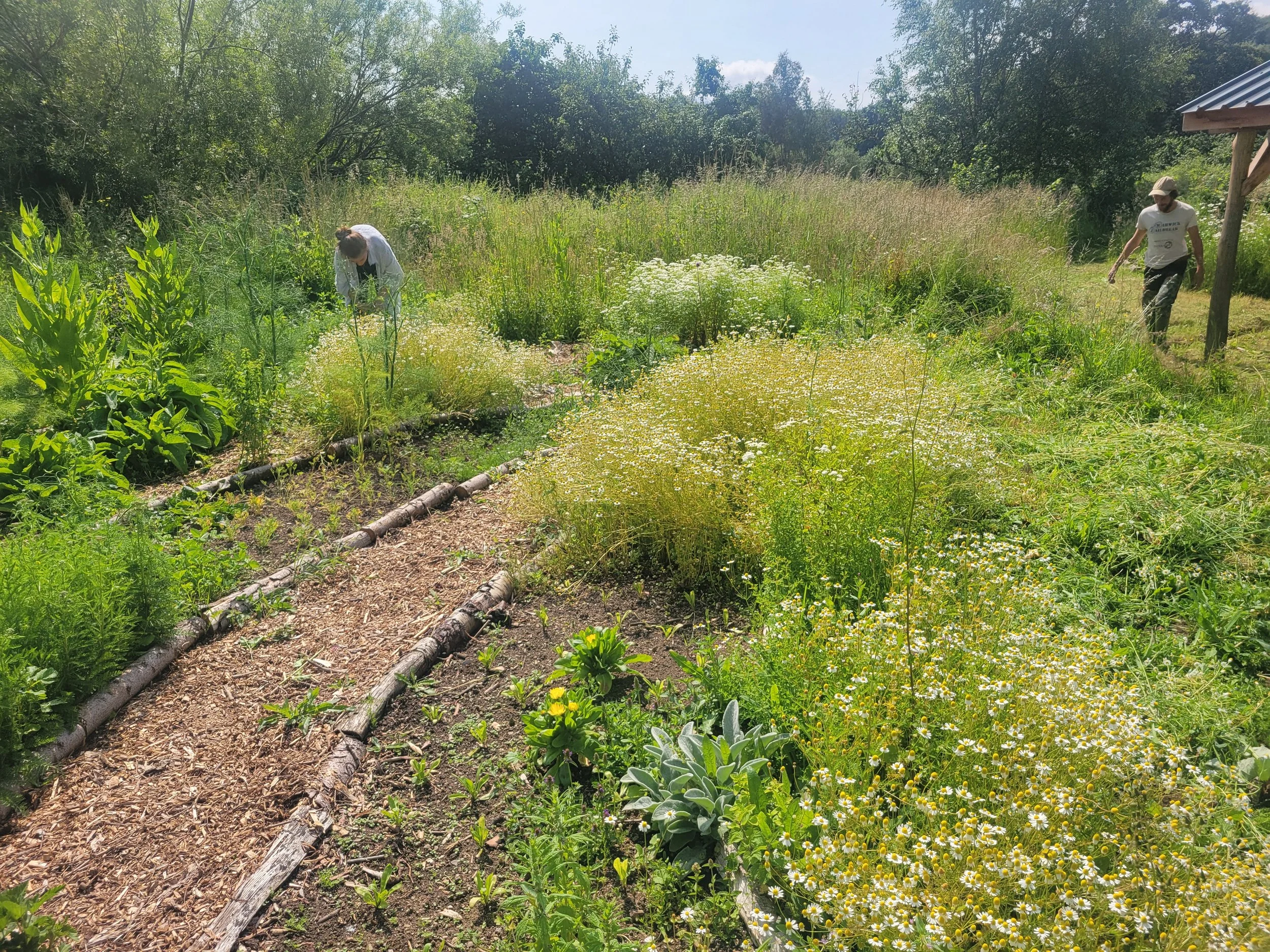
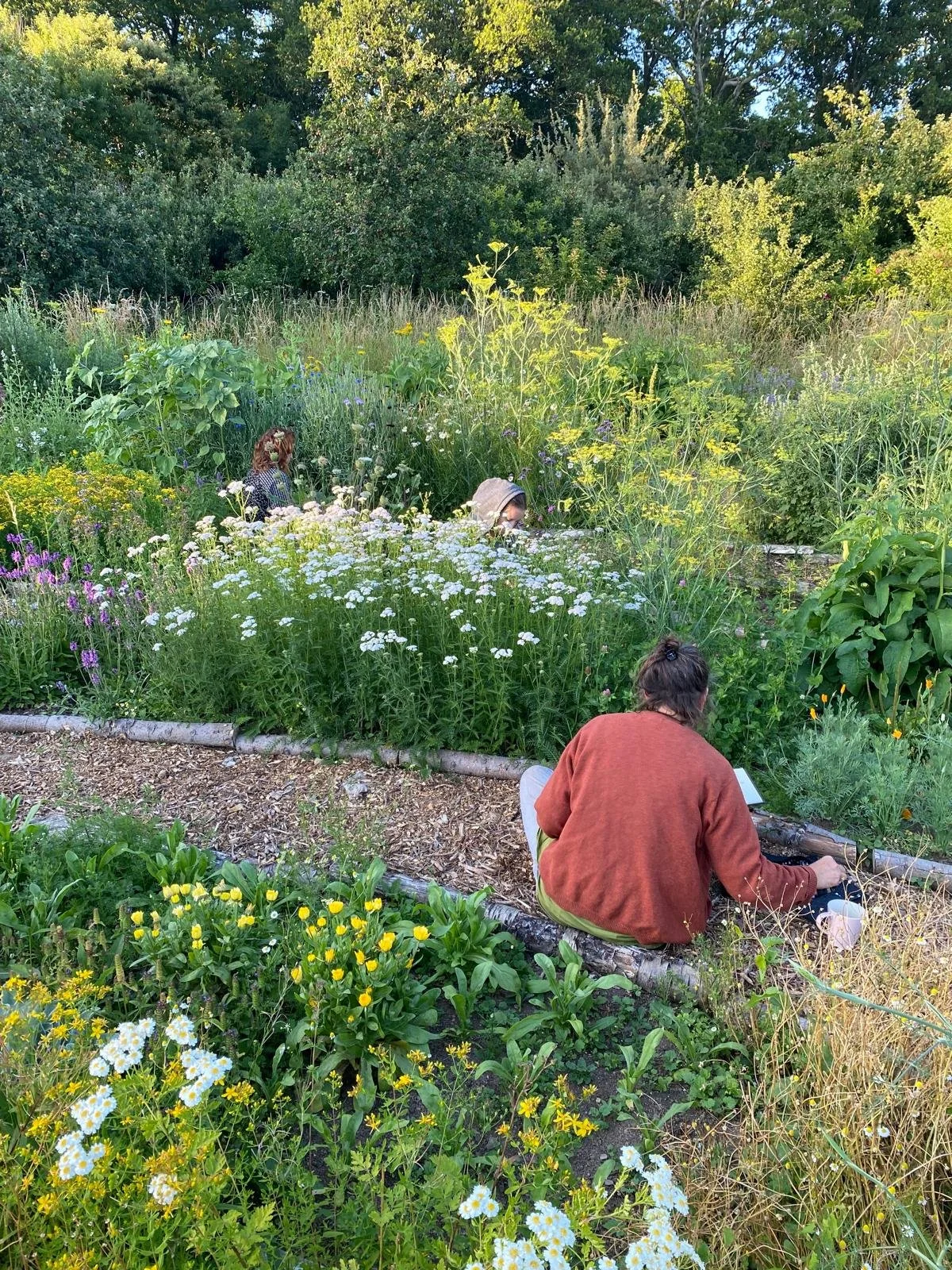
We came up with the design for the herb beds to be in the shape of an amphitheater, looking out from our central circle/fire space. Before we dug over the beds, Ellen had dug out, saved and propagated most of the herbs that we wanted to keep, continuing a lineage of plants that Mel had planted all those years ago. The amphitheater shape meant a few days measuring out the beds with lots of sticks to hand. We slowly acquired bits of wood over the year for our borders and we still need to finish planting out the final top bed. All in all, we are really pleased with the design, and the curves really soften the garden, adding a visually stimulating and interesting dimension.
This year we were not overly strict with being manicured about different plants popping up in different places in the beds. However it meant for slightly more fennel, a lot of chamomile and plants like burdock and comfrey growing out of our wood-chipped paths. We’ve realised that we really like the definition of the edges and keeping the taller growing plants to the top of the amphitheater will be a priority for next year.
The beds are now home to mostly perennial herbs with some annuals/self-seeding plants including german and roman chamomile, calendula, californian poppy, spearmint, peppermint, lemon balm, self heal, fennel, mugwort, motherwort, wood betony, st john’s wort, yarrow, anise hyssop, hyssop, echinacea, elecampane, white horehound, marshmallow, mullein, comfrey, common daisies and ox eye daisies, bee balm, oregano, wormwood, lady’s mantle, skullcap, milk thistle, catnip, common vervain and garden vervain, bladder campion, agrimony, red clover, red dead nettle, feverfew and clary sage. We also had cornflowers, sunflowers and pink dahlias growing in the amphitheater beds this year, although plans are to move them into our flower garden, more on that below. And lot’s more herbs will be added in 2026.
See before and after photos below for the magical transformation.
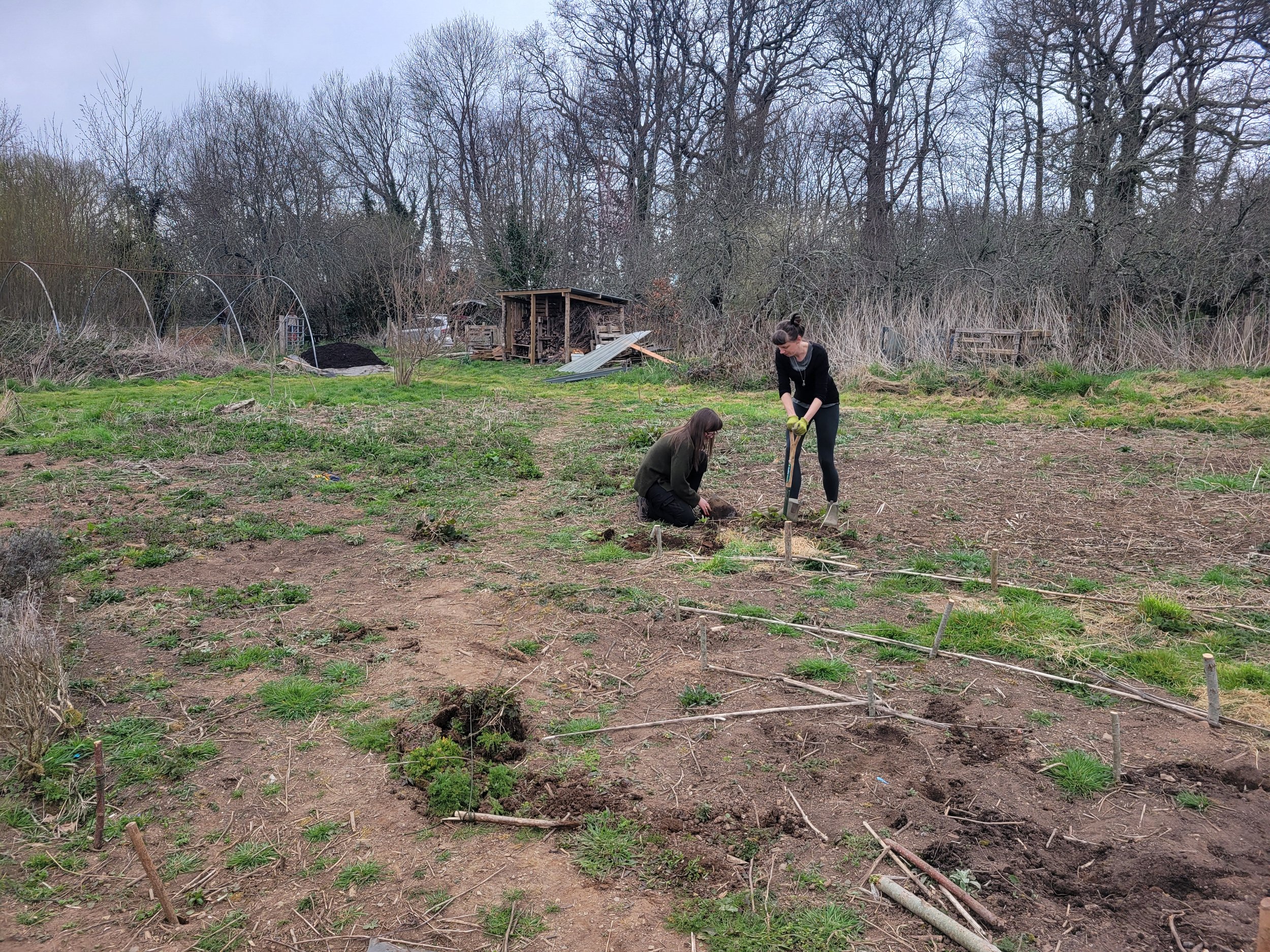
The beginning….
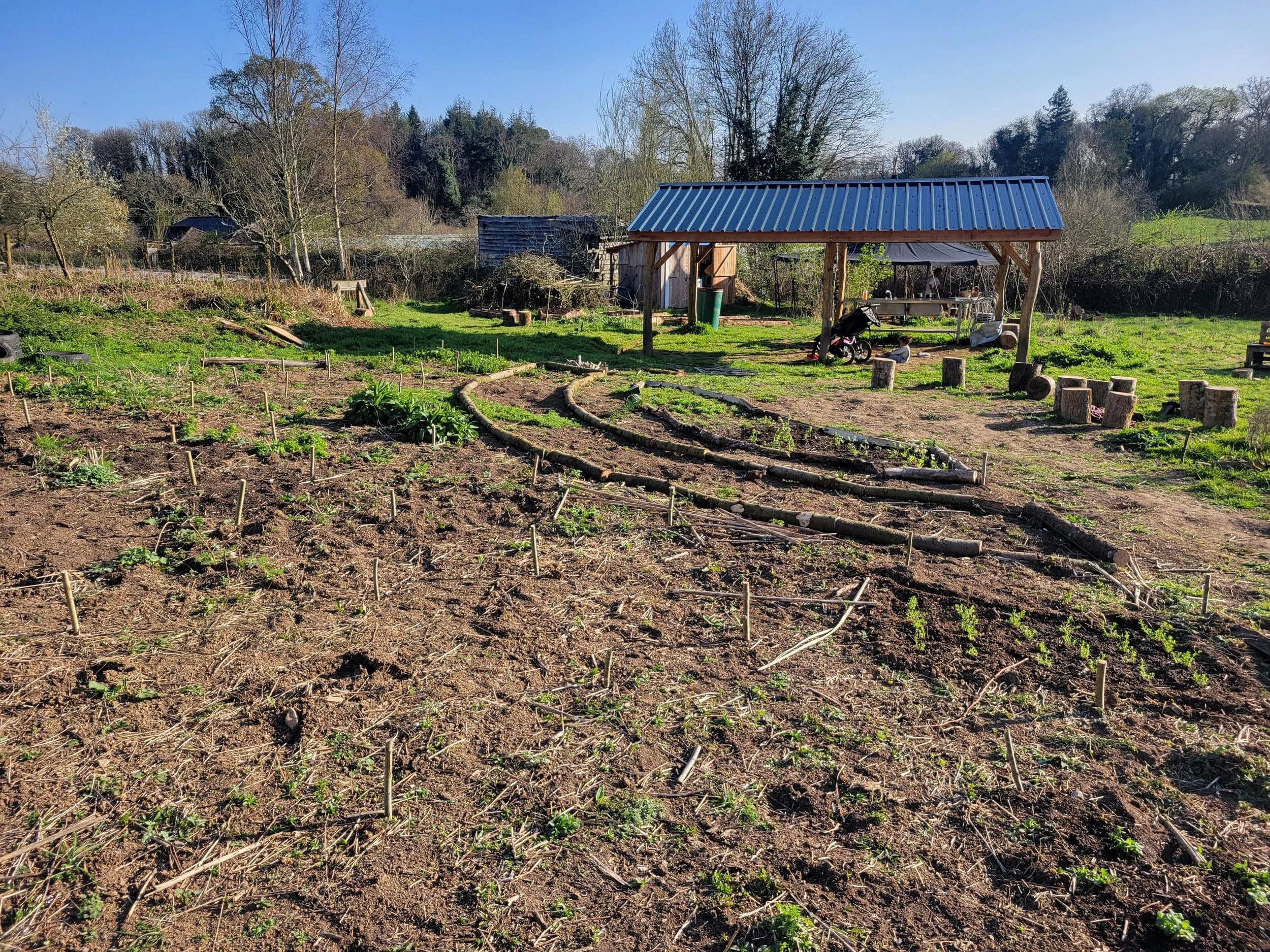
Edges and plants slowly going in
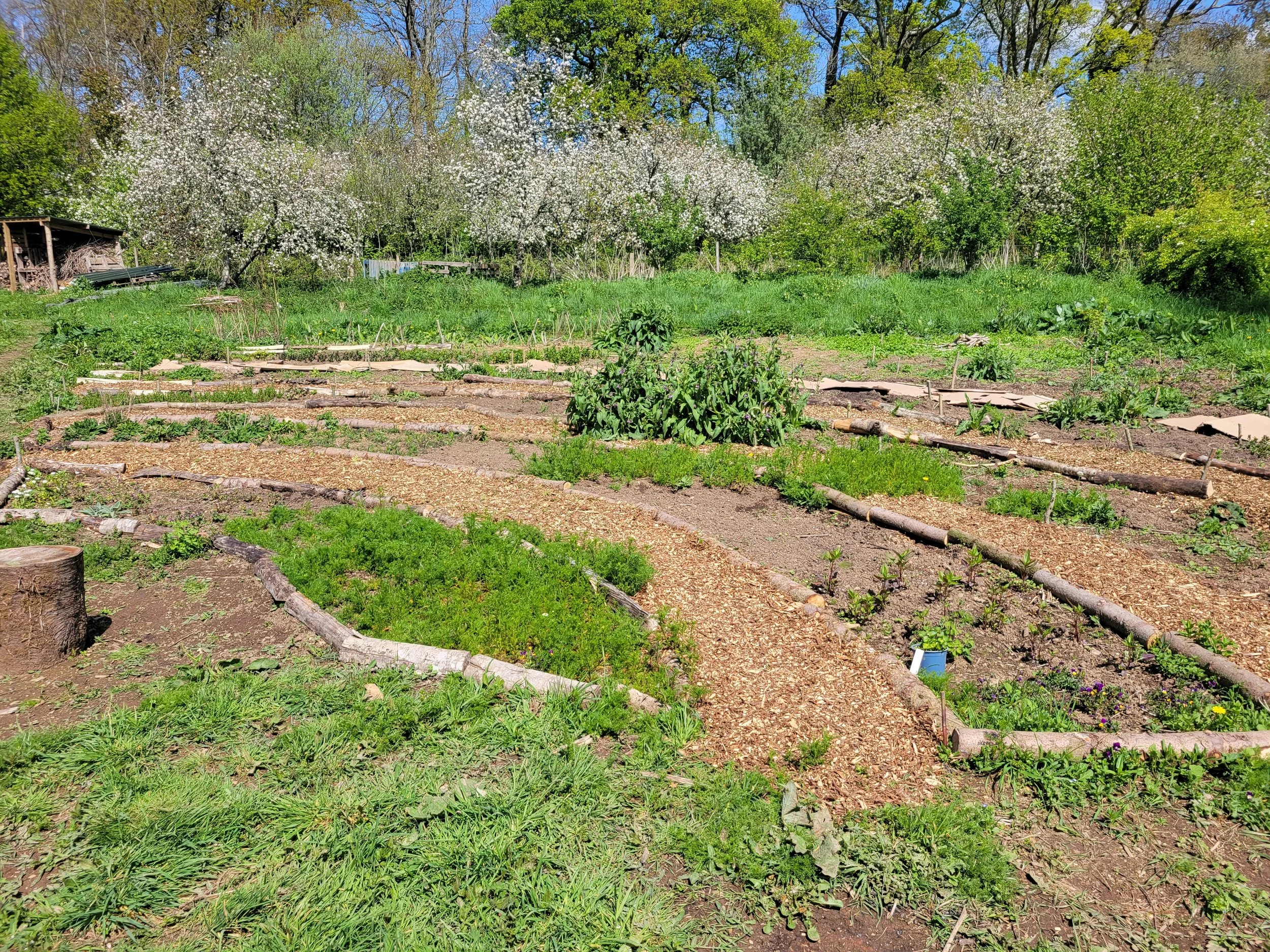
Woodchipped paths
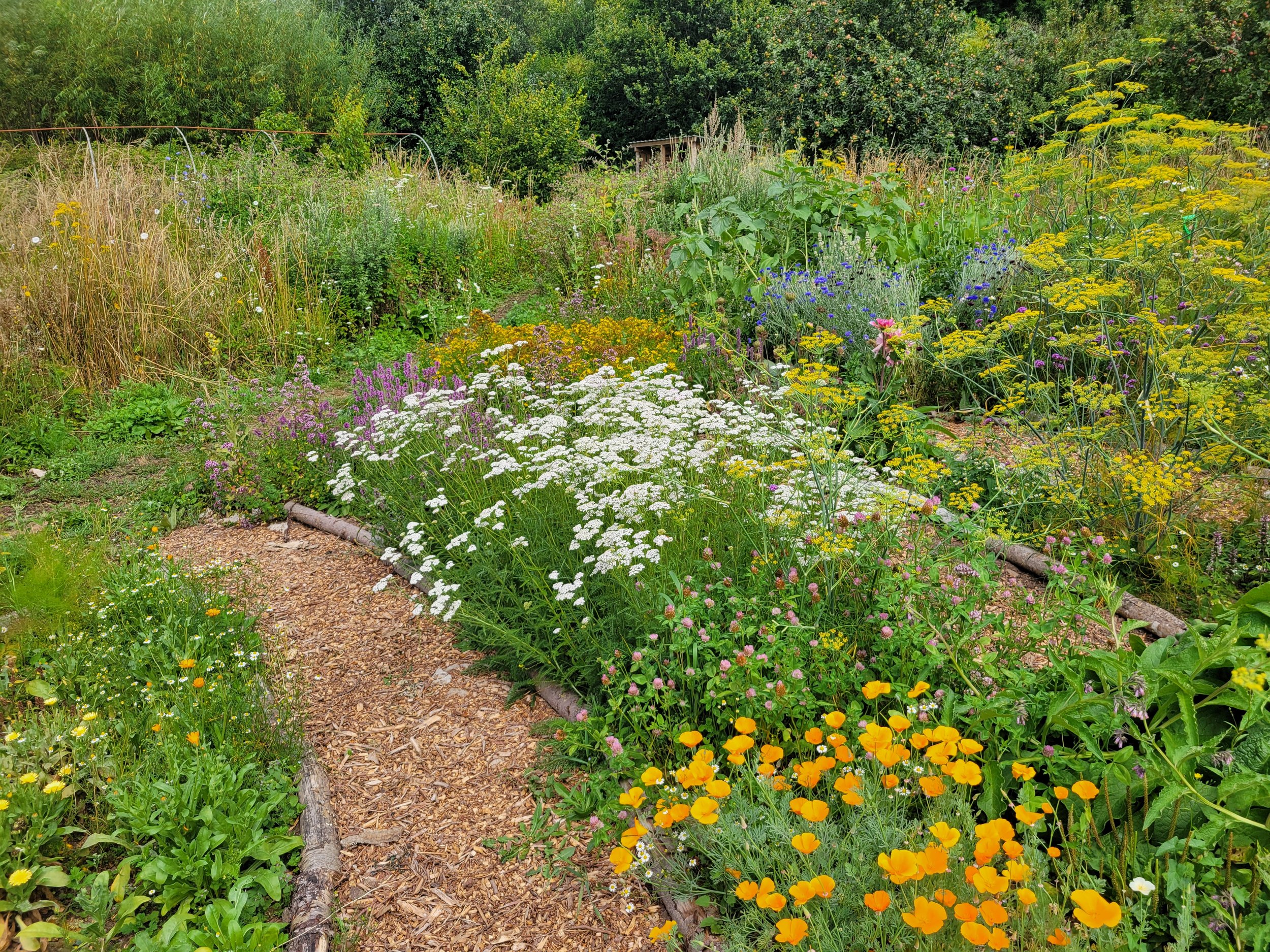
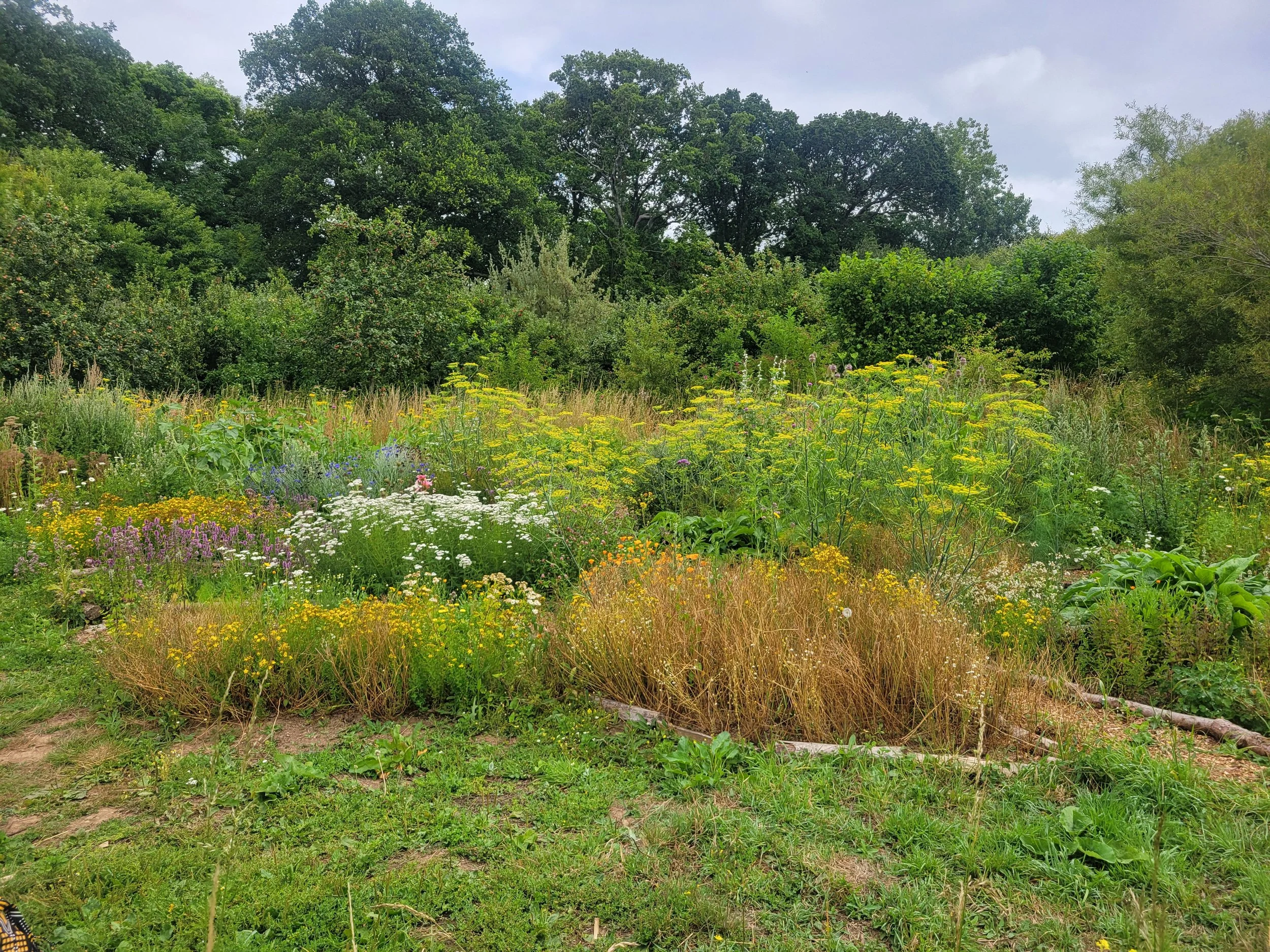
The final beds!
The kitchen garden
We also decided that we really wanted to build raised beds near the outdoor kitchen where we could gather food and culinary herbs with our volunteers to cook with together. There is a beautiful diverse wildflower patch beside the outdoor kitchen condensed with plantain, wild carrot, ox eye daisies, yellow rattle and more wildflowers in a great big tuft. At the time it felt like a big decision to make as it would mean cultivating into our wildflower meadow. The image came to our minds of raised beds radiating out of the wildflower patch, as if it were the sun and the beds the rays. We all really wanted to keep that patch and not completely get rid of the wild feel in that area, one of our main guiding principles to our growing. It worked out really well and again made for an interesting and unique design to the space.
The greatest challenge was water. Once the beds were all ready for planting the rains just didn’t come and 2025 was an extremely dry spring and summer. We don’t have water on the plot, which made it even more difficult. This involved a lot of extending the hose pipe over from the farm and hand watering most of the new plants. Somehow we managed okay and once the plants established themselves the kitchen beds flourished. However, it has made us think a bit more seriously as to whether we plan on growing that much veg in future years. With the help of one of our volunteers we now have gutters up on the outdoor kitchen and we have now got some more funding to buy our water butts so we can start saving water and hopefully get some standing taps next year. Which should mean no longer having to wheelbarrow water containers back and forth from the herb garden to the farm!
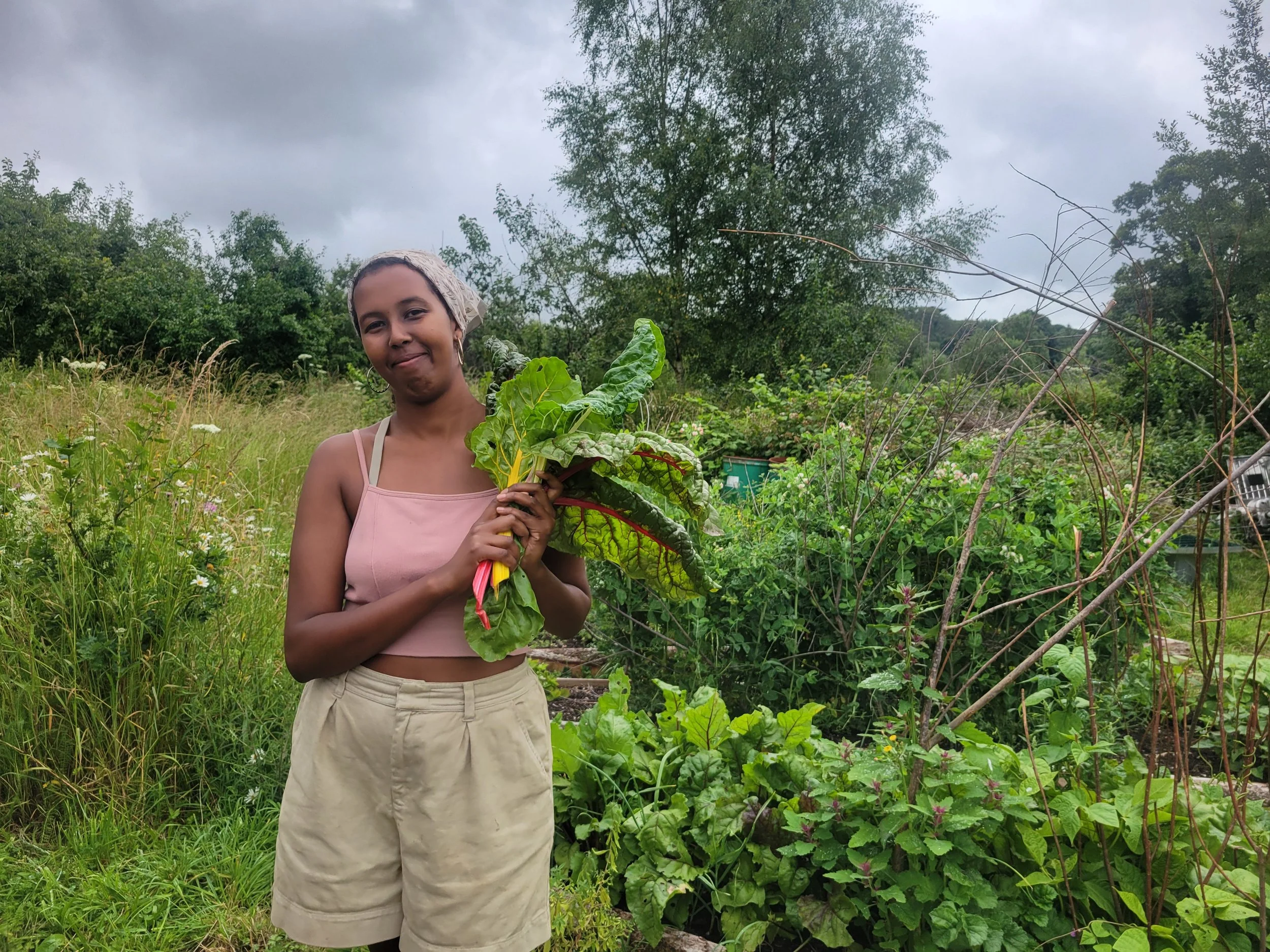
The kitchen beds were home to lots of yummy veg and herbs including beetroots, peas, bush beans and runner beans, spring onions, chives, italian basil, greek basil, tulsi basil, tomatoes, tomatillos, amaranth, radish, rainbow chard, rocket, mizuna, courgette, shark fin squash, parsley, coriander and alpine strawberries…
We will probably grow less veg in the kitchen garden next year and more culinary herbs. We have already planted in thymes and sage, as well as lots of garlic.
See before and after photos below.
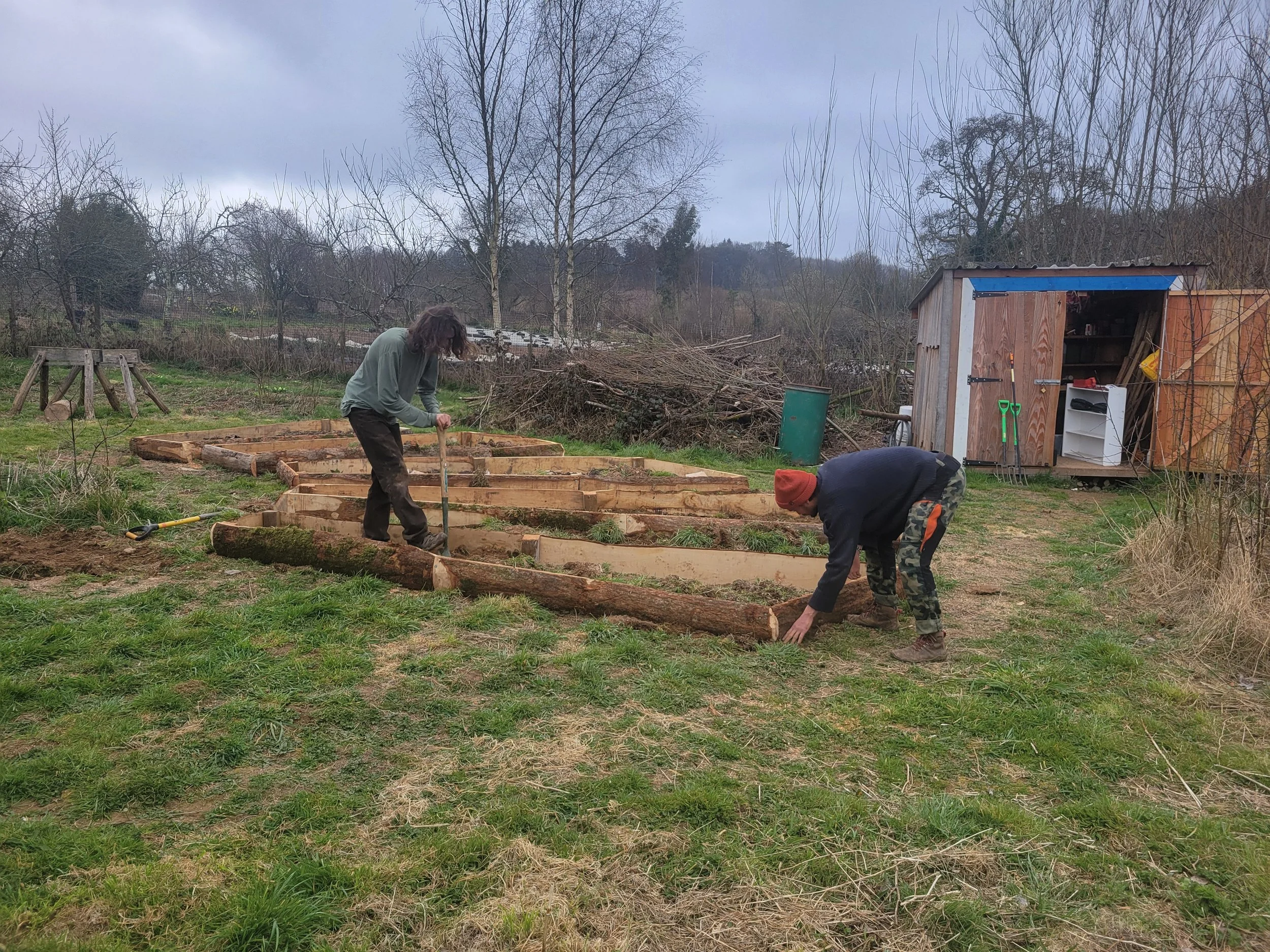
Building the beds
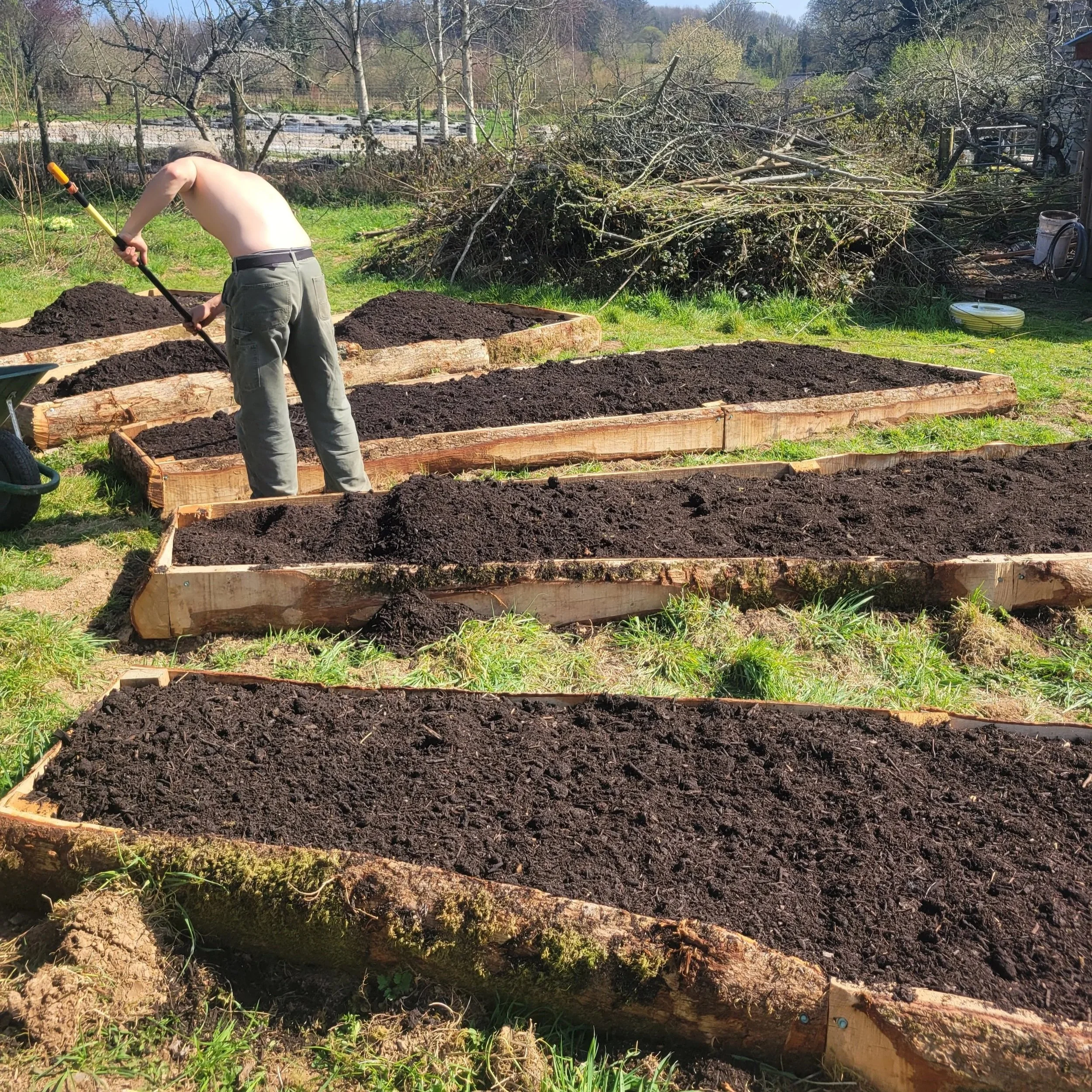
Adding compost
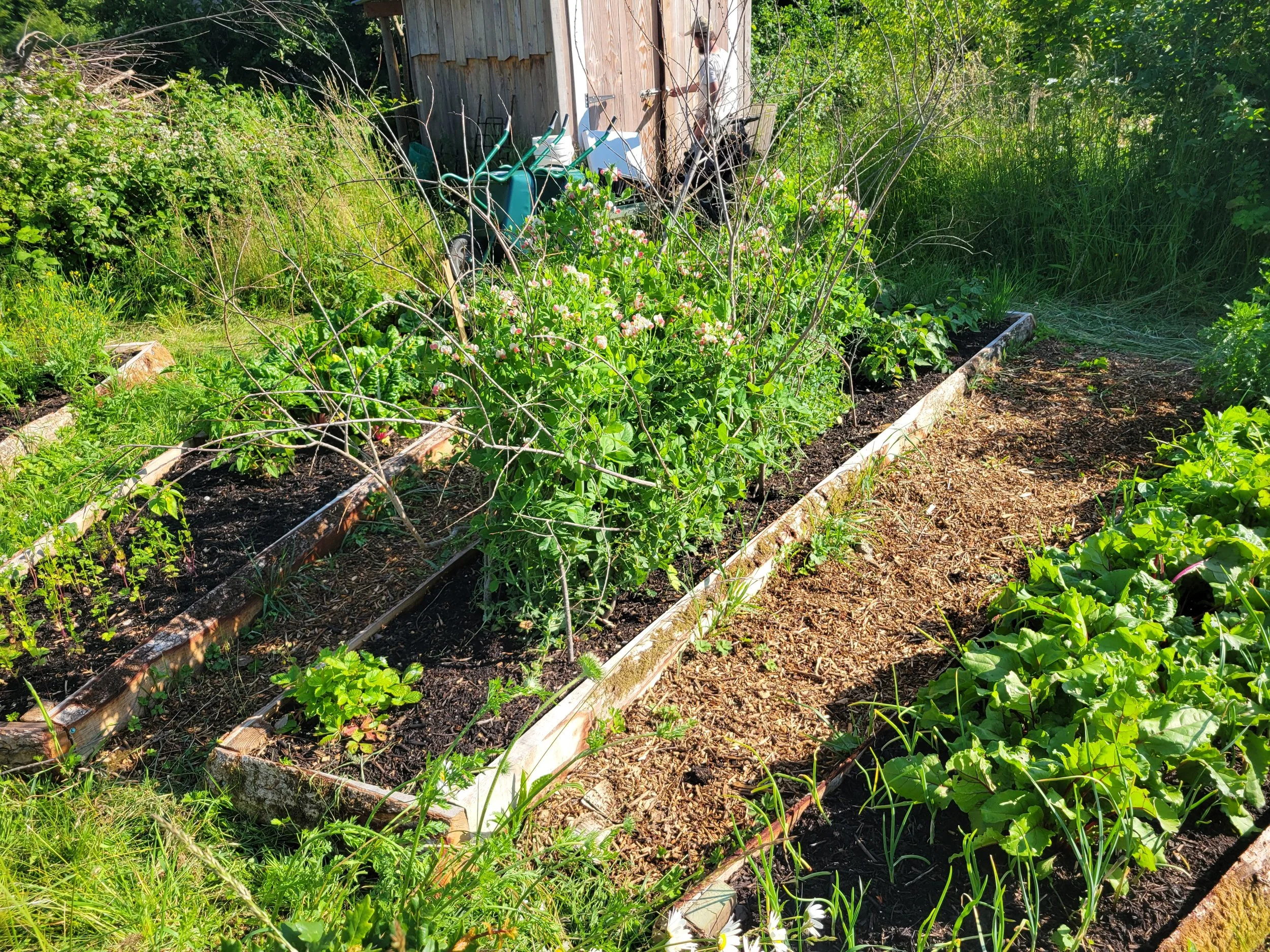
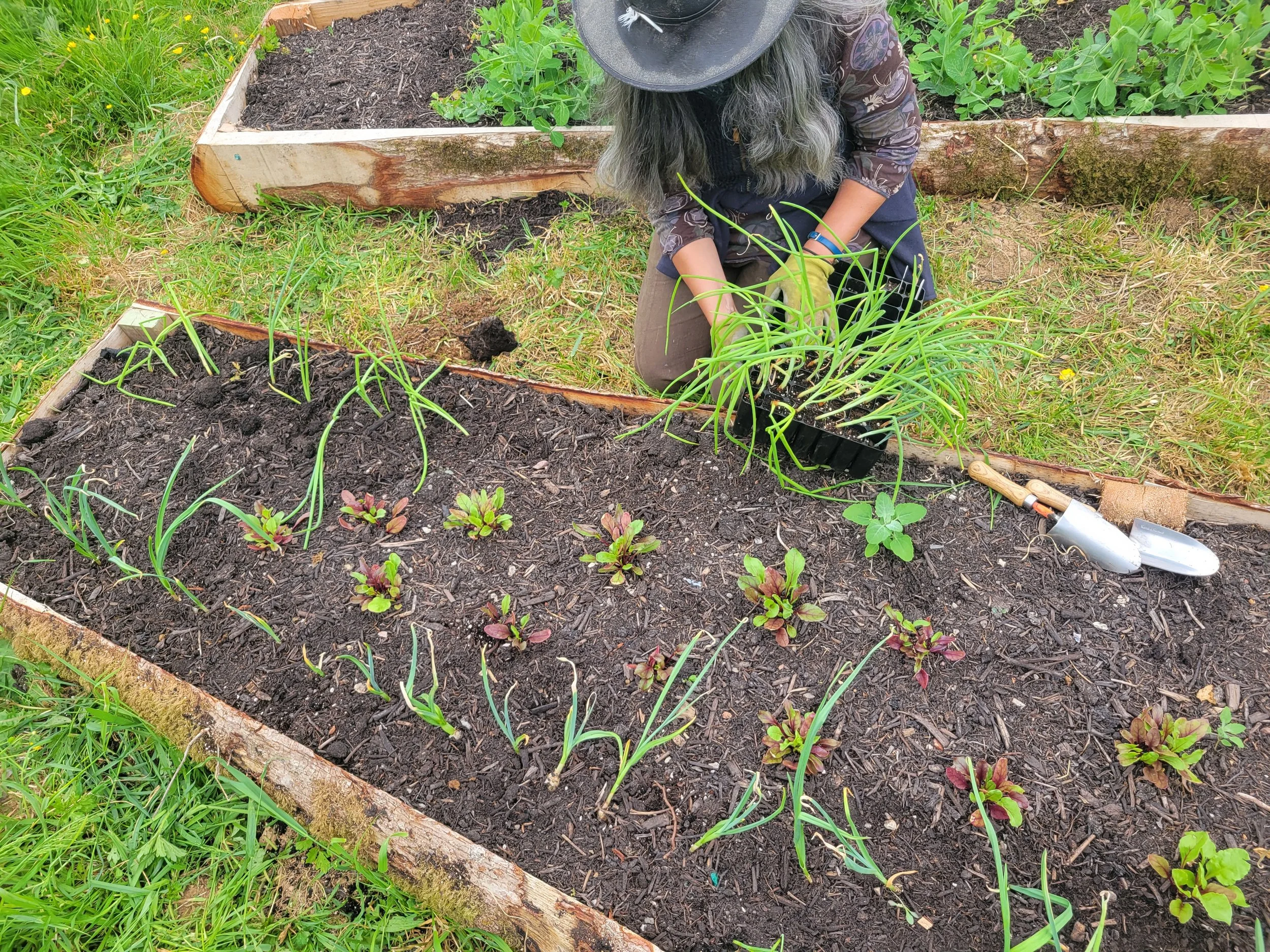
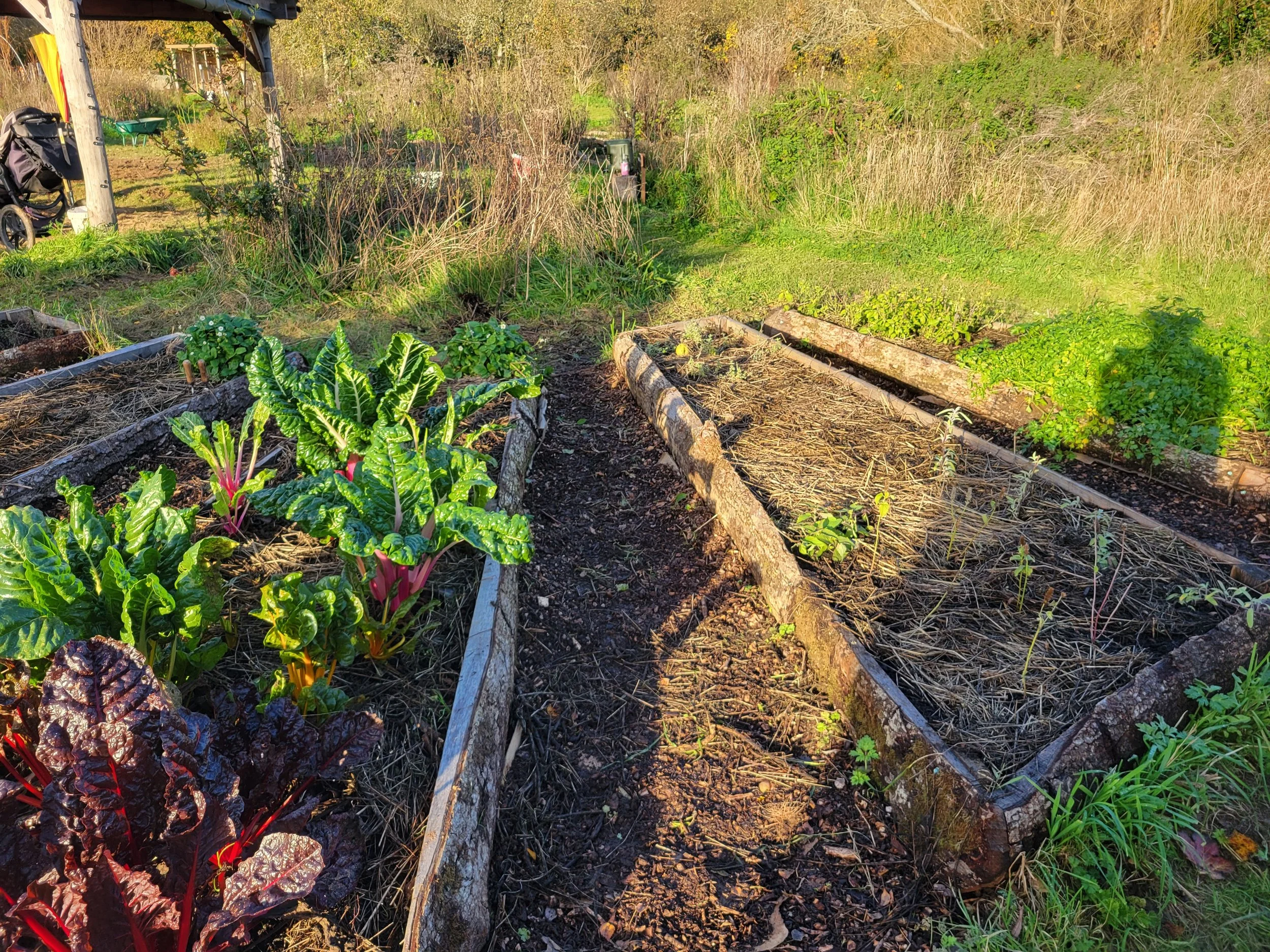
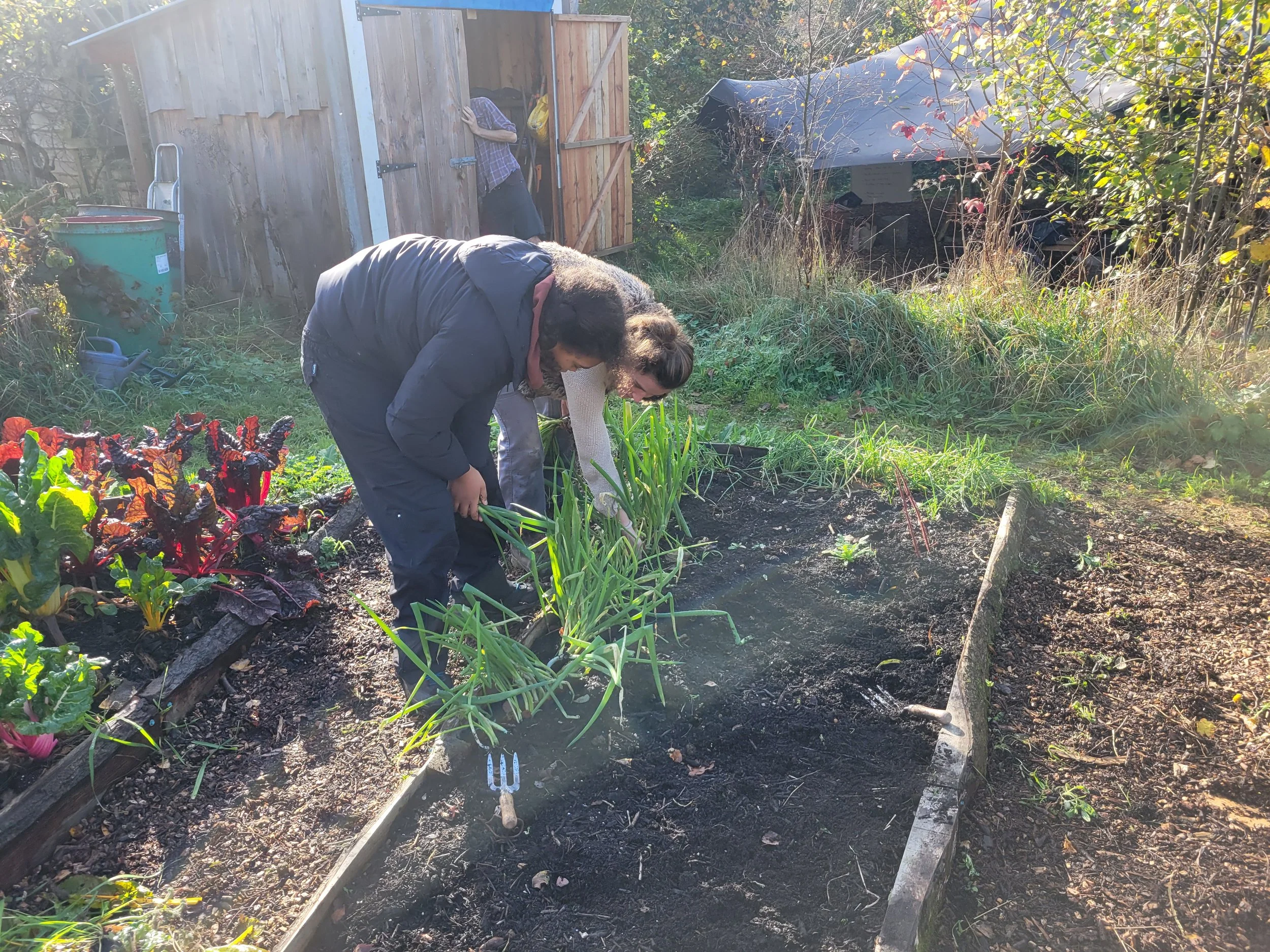
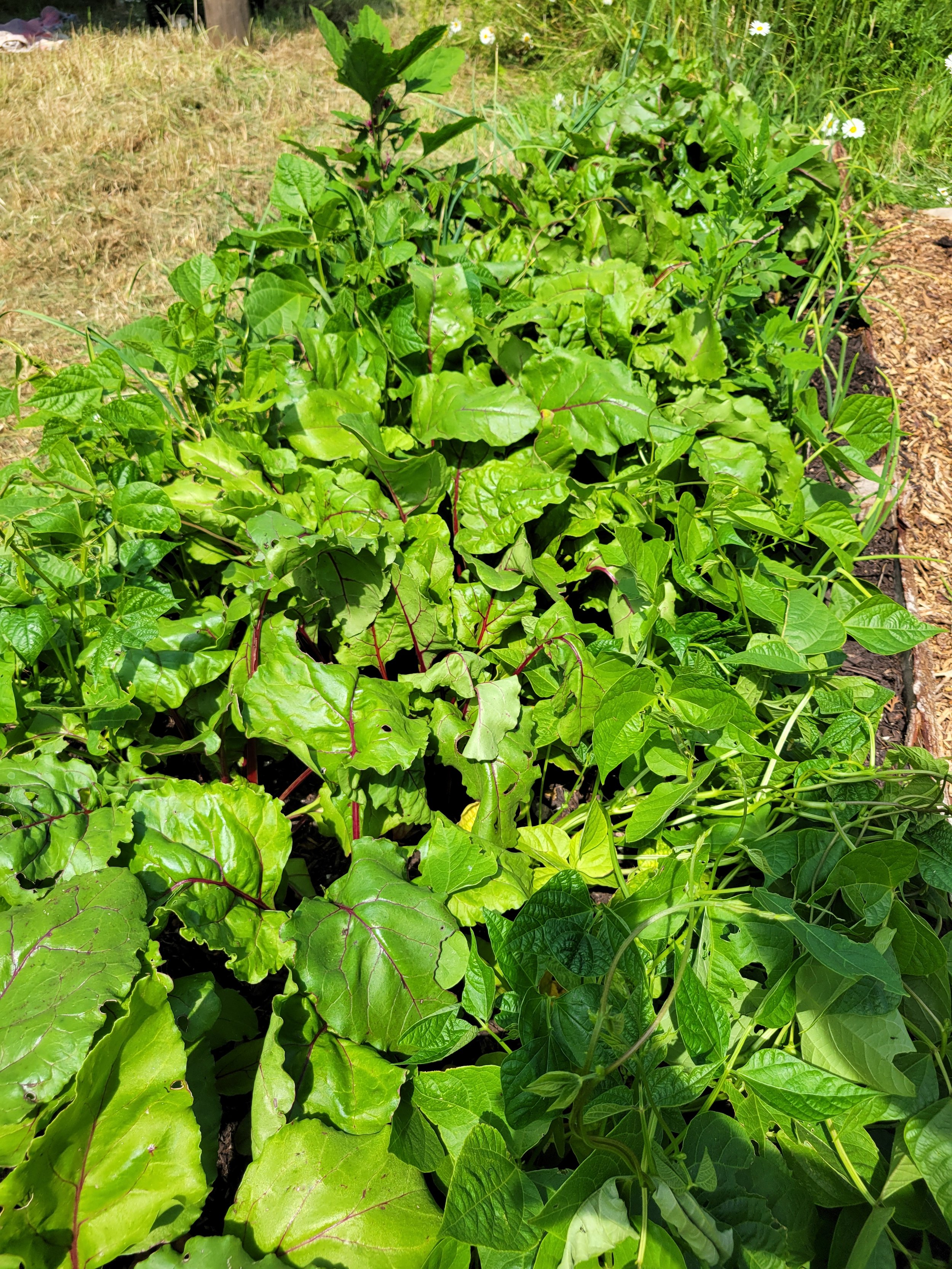
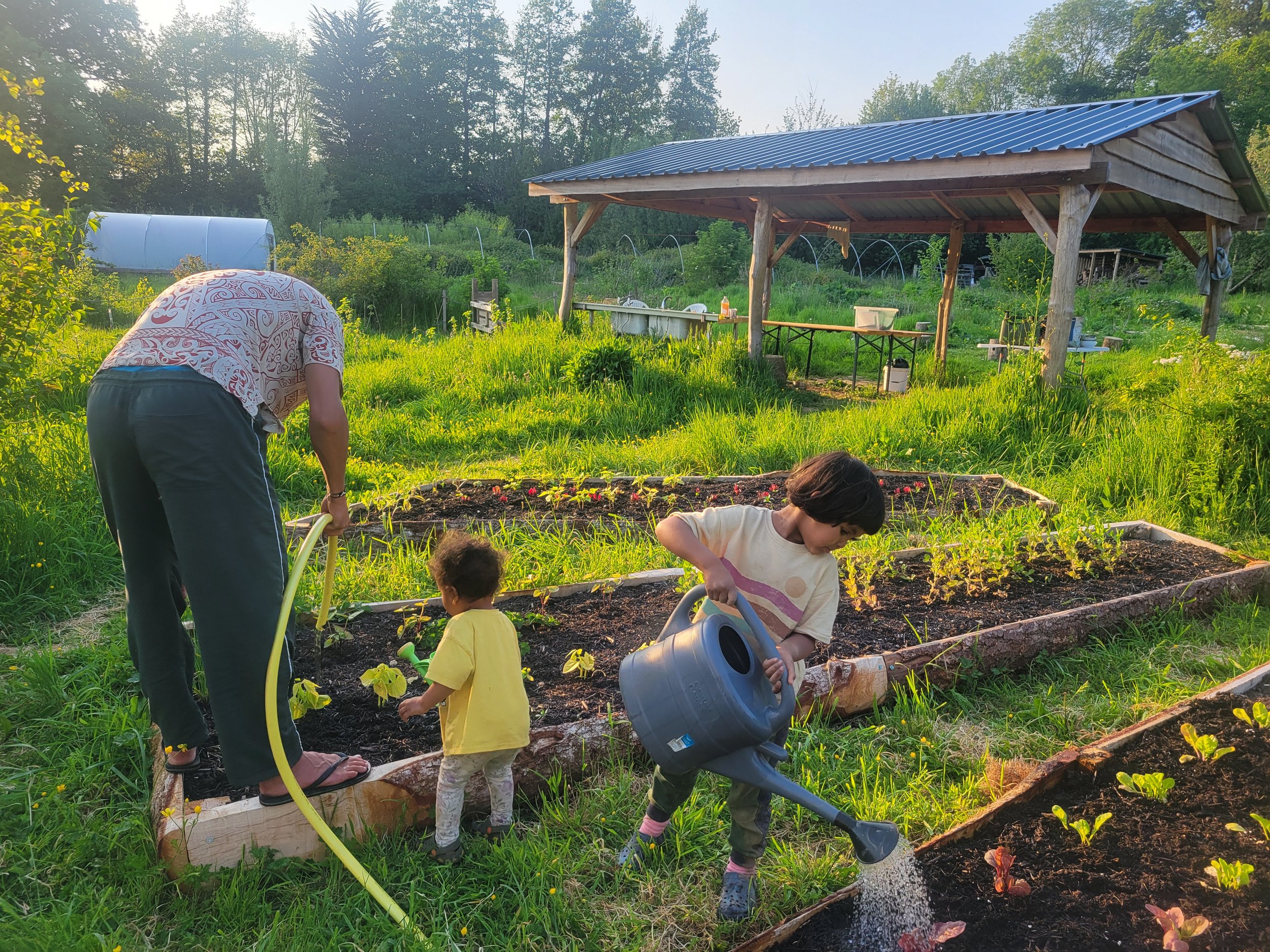
The final beds in all there glory!
The polyculture patch and other areas
This year we decided to keep our ‘polyculture’ patch which has essentially seen a random mix of plants left to do their own thing. We love our polyculture area however we have some exciting new ideas and plans for the space. The lavender has stayed where it is for now and we will be adding more lavender to the garden next year. We are also planning on adding Mediterranean herbs like sage, thyme, rosemary and more to our kitchen garden, which has better drainage, and other places in the garden, to be established in the future.
Wildlife gardening
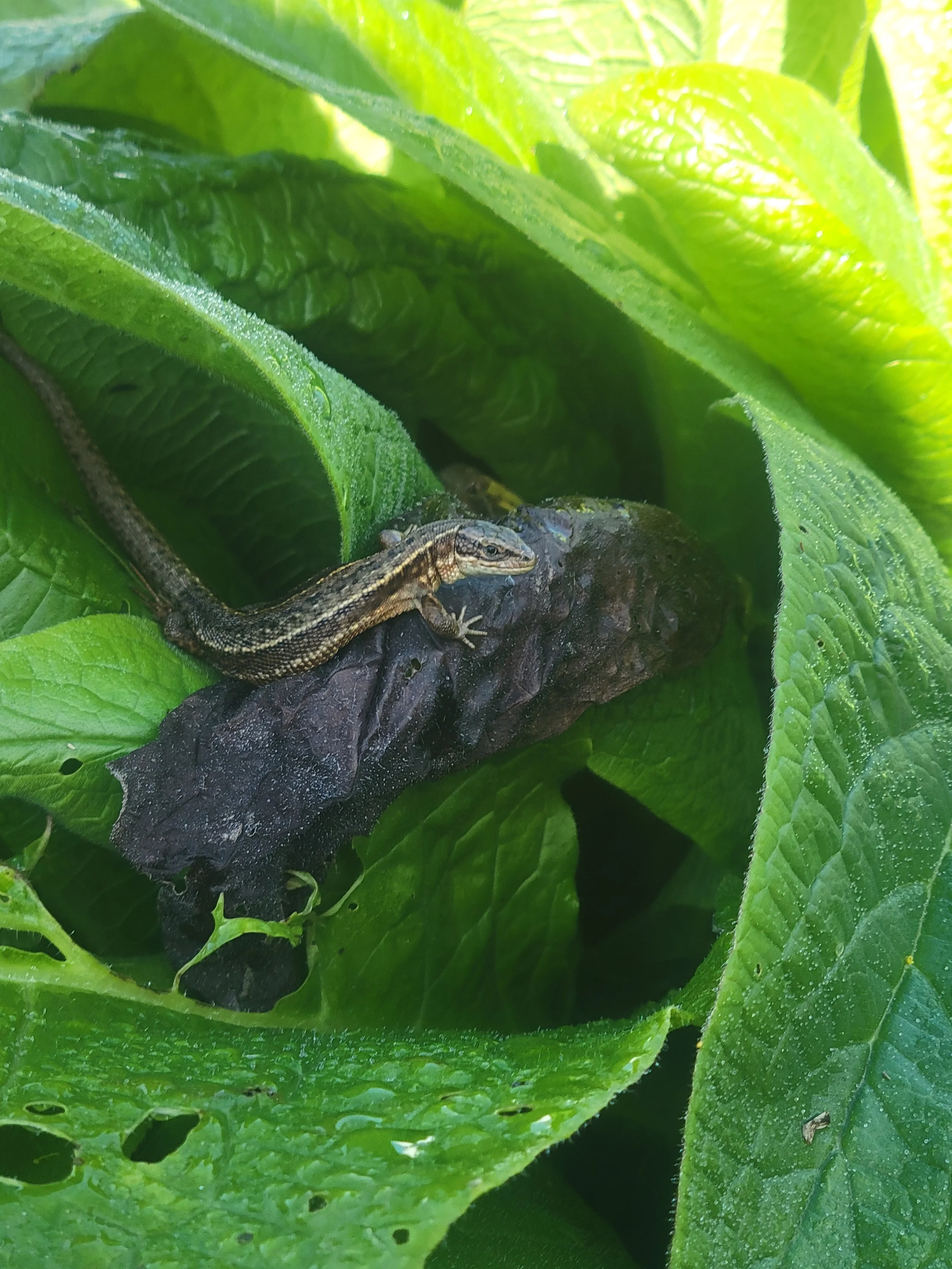
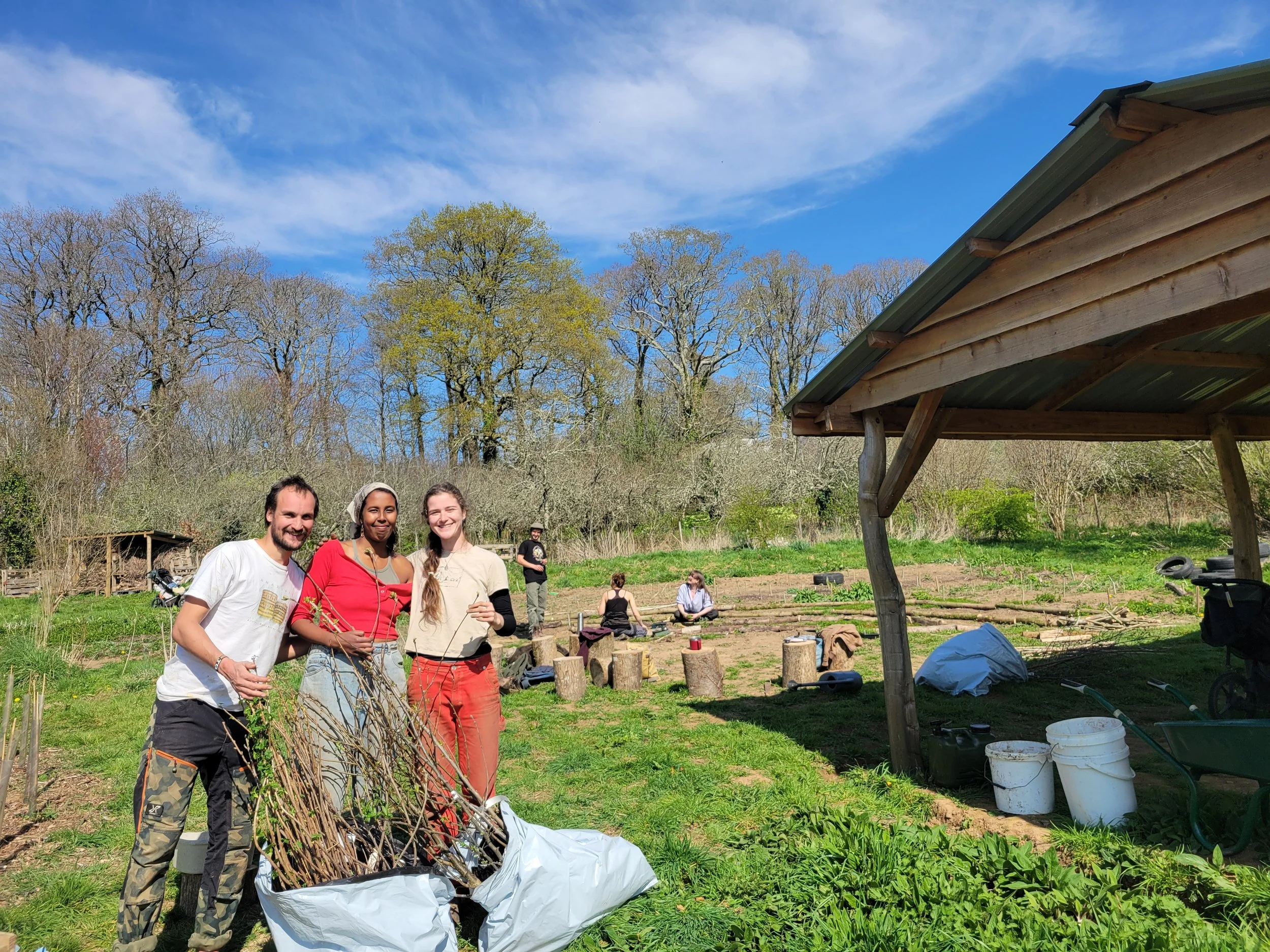
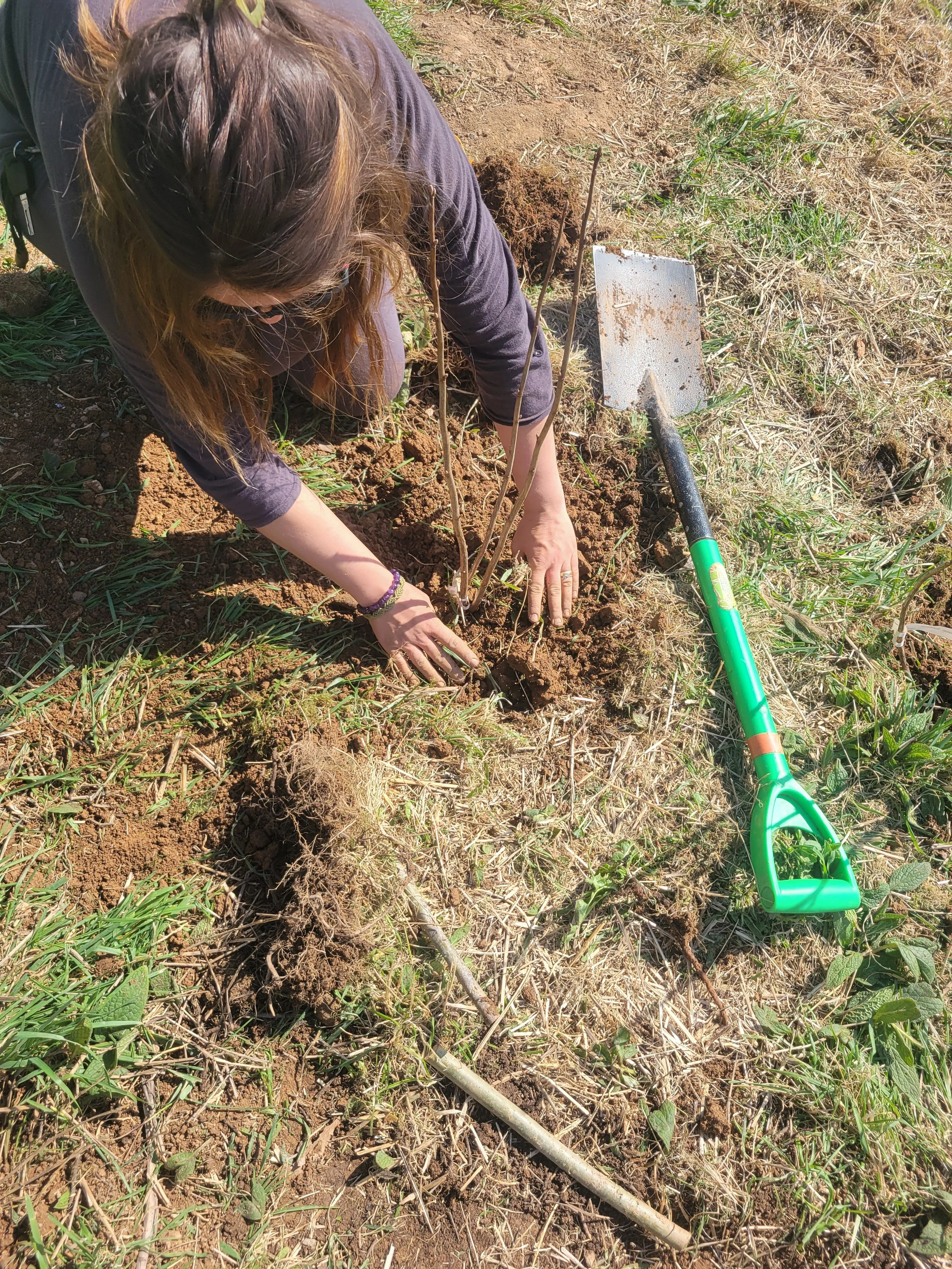
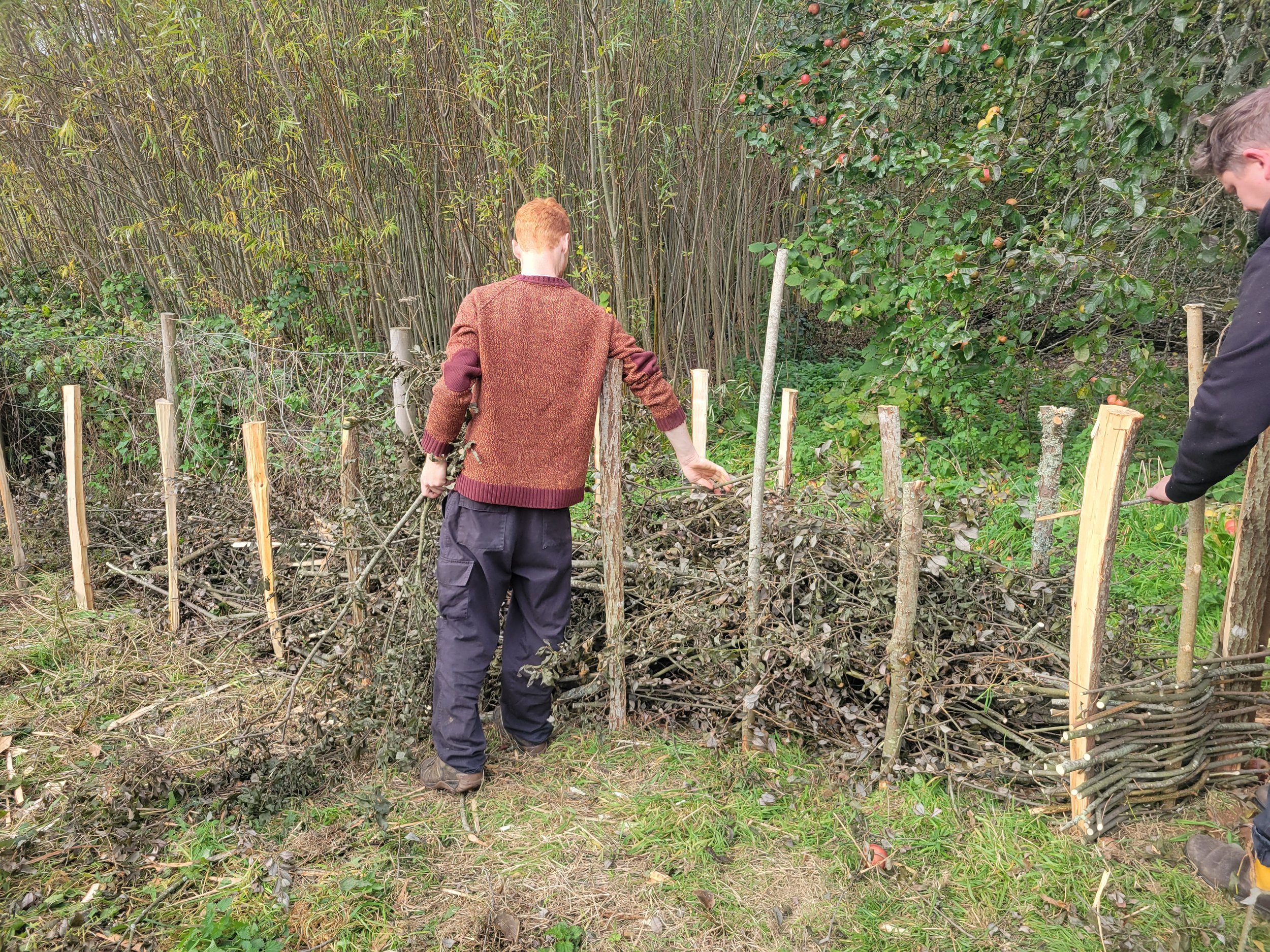
The garden has also become much more biodiverse this year. We have been tending to our new native hedge-line, put in a dead hedge, planted lots of trees, planted currant bushes with wild strawberries underneath, established a new meadow area, planted sweet violets around the garden and cleared a new patch by our back entrance that will be filled with wildflowers. Next year we hope to continue establishing more areas for wildlife. Gabriele has been busy saving lots of wildflower and grass seeds, we are really looking forward to adding to the diversity of the garden.
The Children’s Play Garden
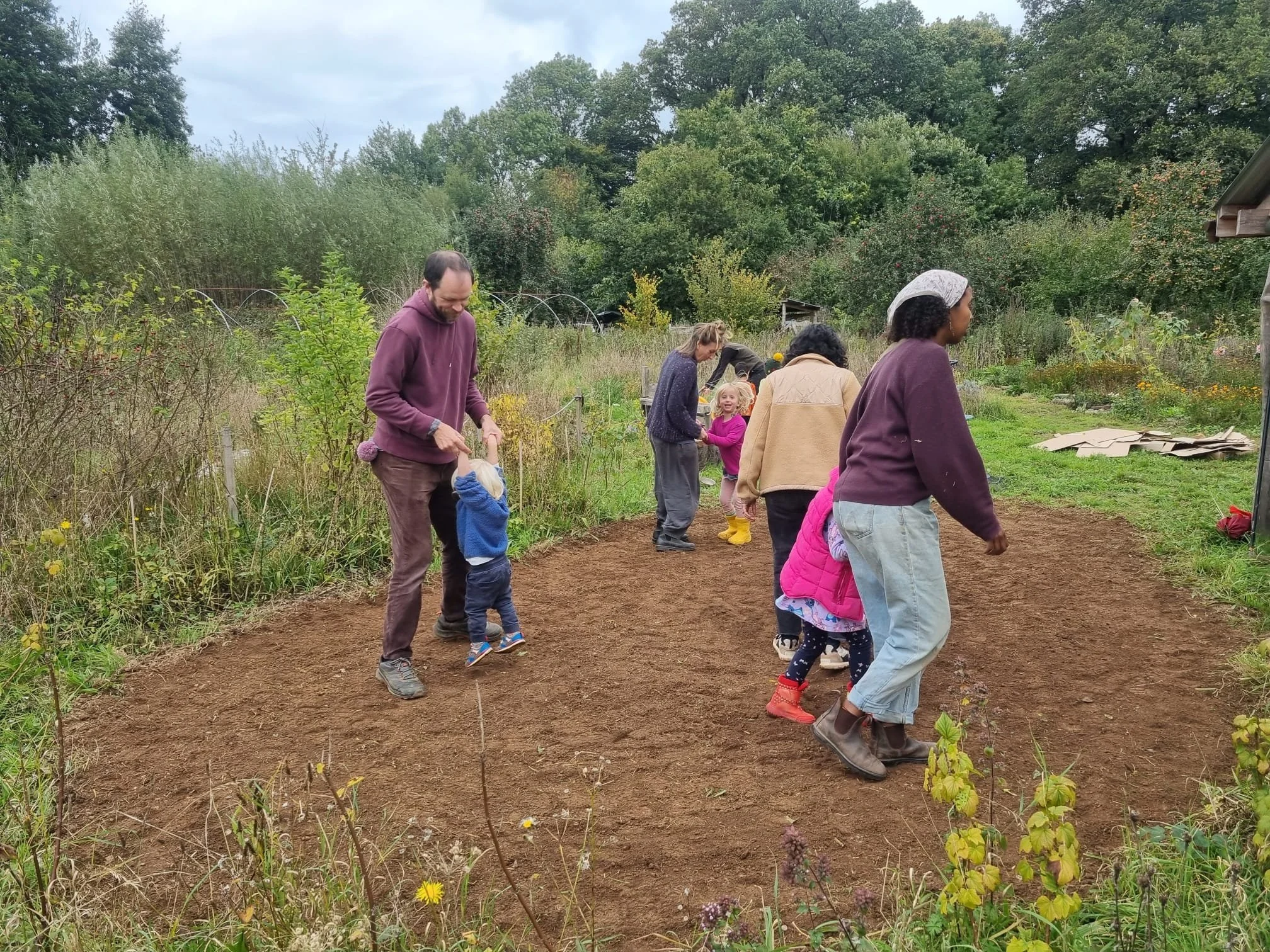
We have also been developing our children’s play garden. We levelled the ground and put grass seed in the autumn. There is now a row of currants acting as a boundary between the children’s area and the meadow, and lots of wild strawberries underneath them (hopefully the kids will enjoy eating it all next summer). Next year we will be upgrading our muddy play kitchen, getting some more kids tools and add some lovely sensory herbs to the area. We are also dreaming up a willow den and a new place for our dig bed.
Future dreams
Gardens are very much spaces that allow for dreaming and in terms of dreaming as our volunteers have got more involved in the space, they too are dreaming into the space and we are listening. There is a collective vision for a community dye garden and cut-flower garden, so that will be one of our new goals for 2026. We aim to finish the outdoor kitchen, add more benches and seating, grow more herbs, plant our rose garden, get water in the garden, start fundraising for the pond and start on the polytunnel area.
Events and workshops at the garden
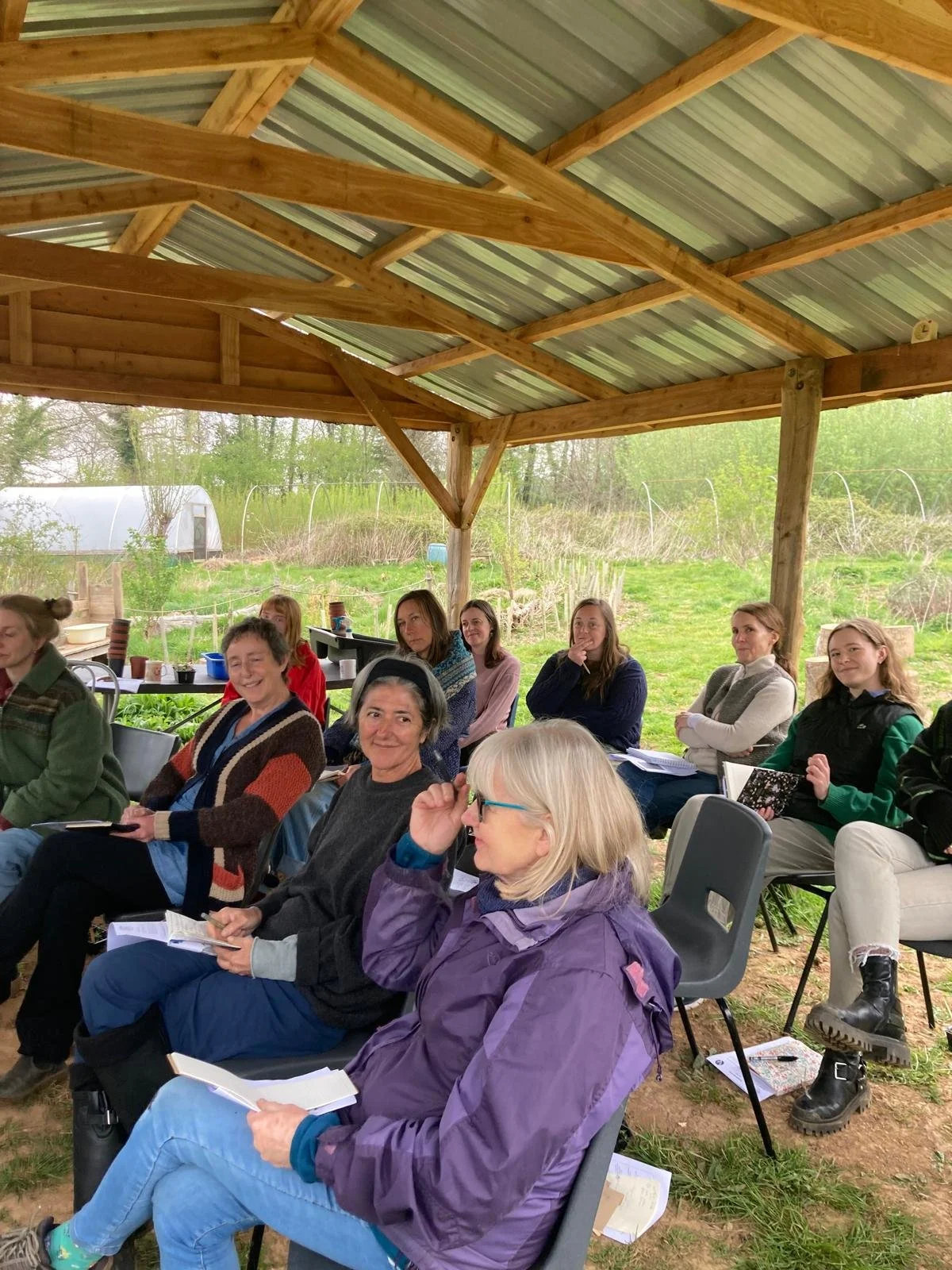
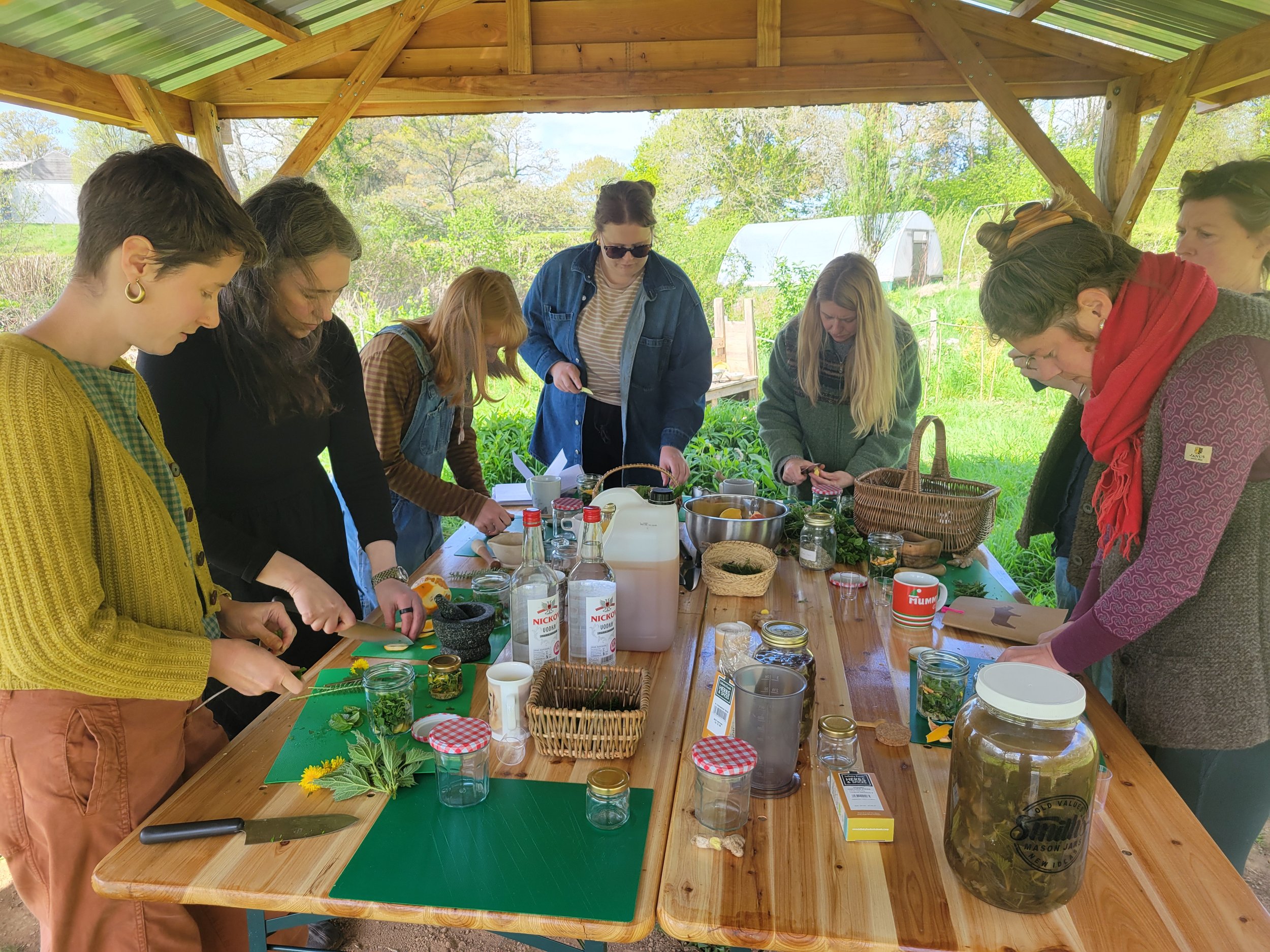
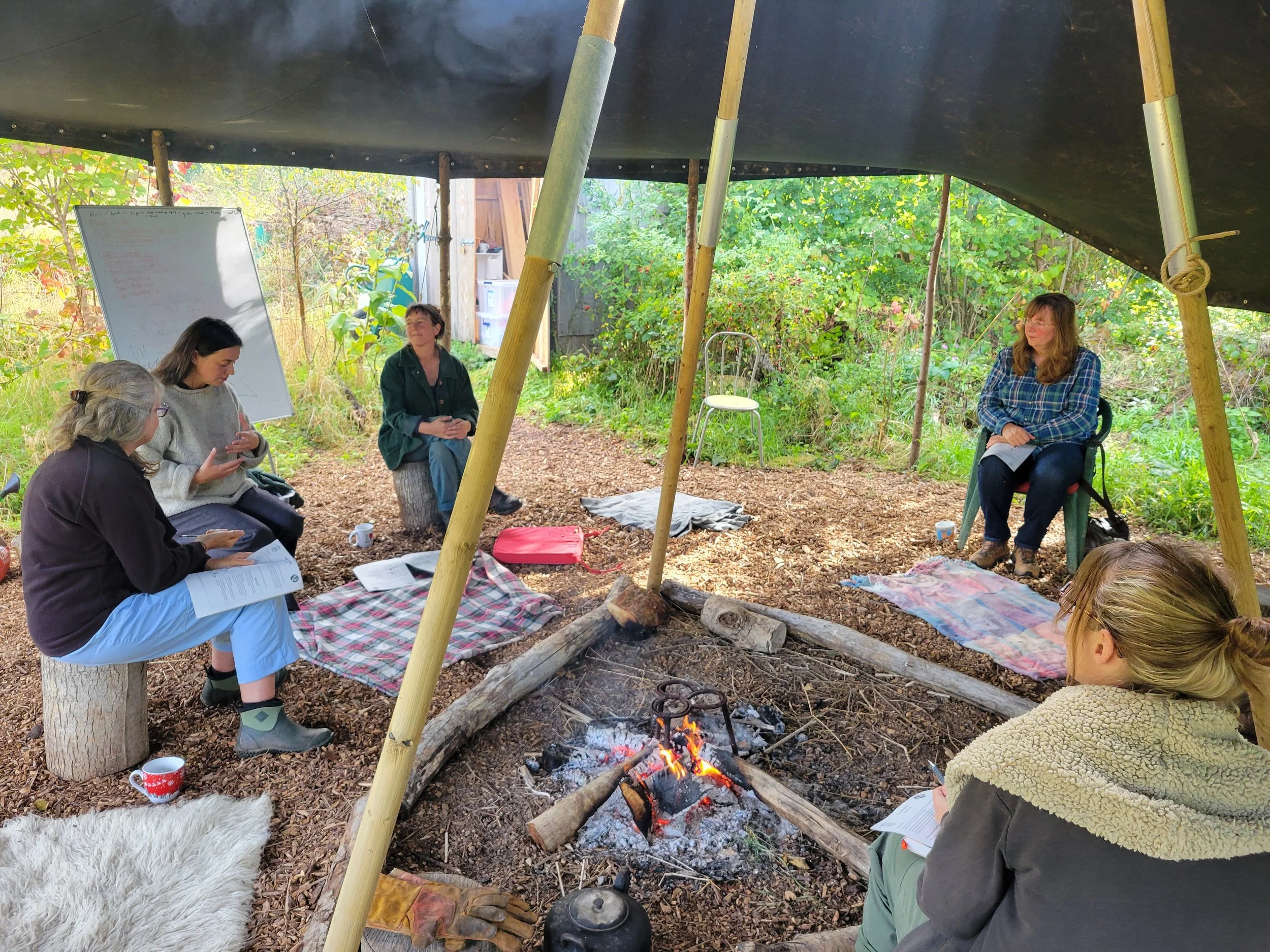
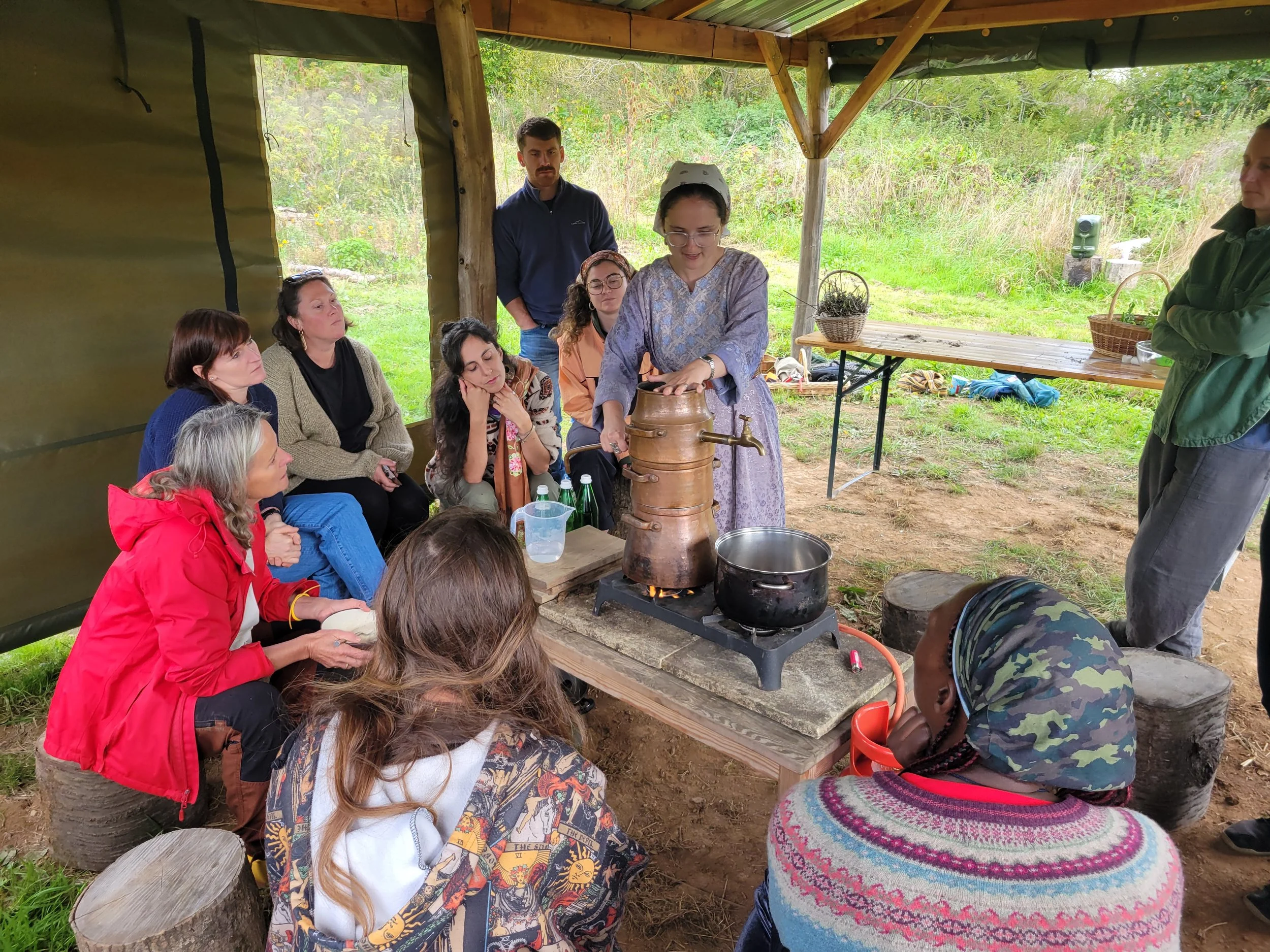
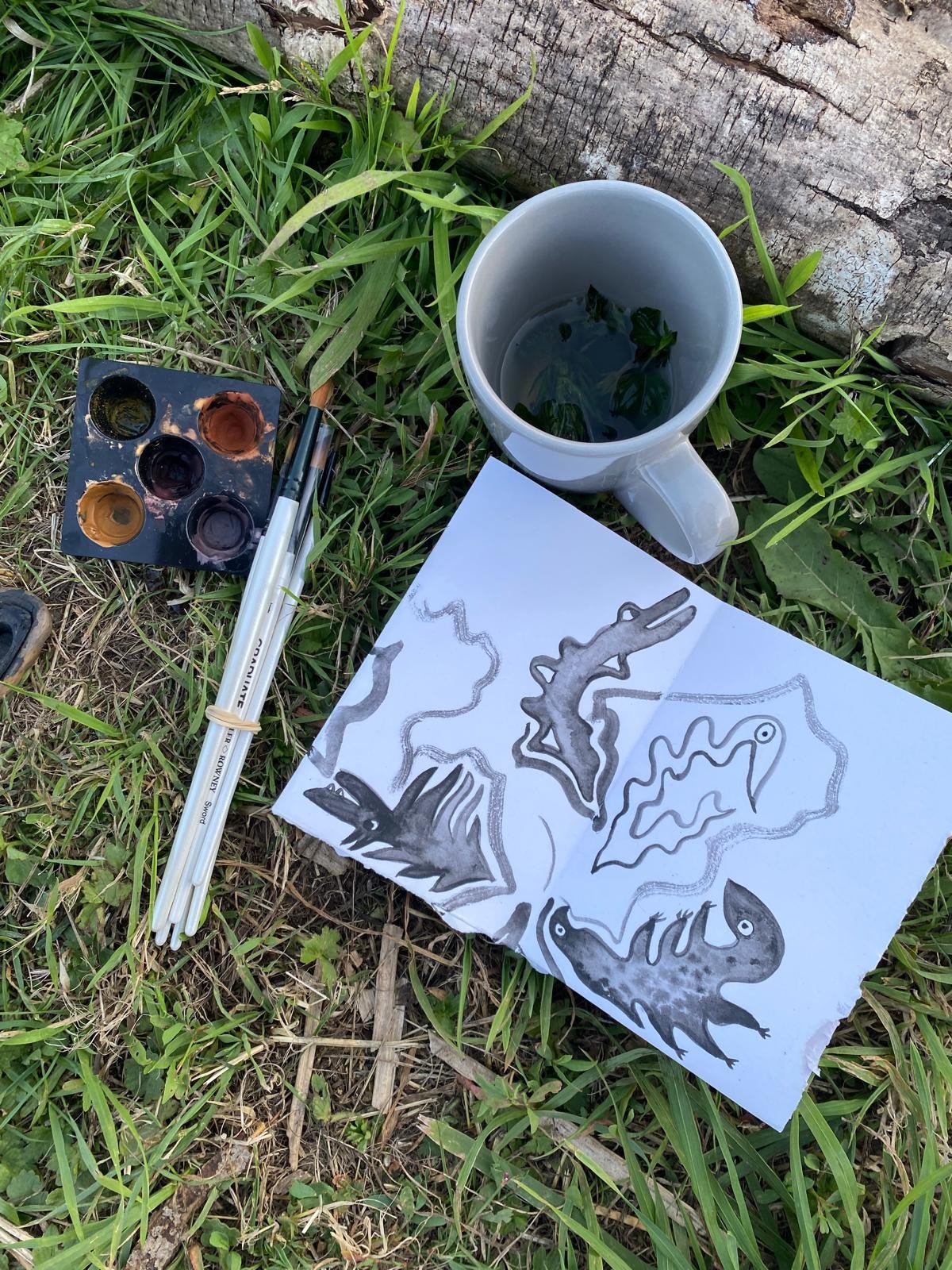
The garden has also seen lots of workshops and events take place. Mariam delivered her first herb course in the spring. After a successful first year, Spring Folk Herbalism will be back in 2026 and you can find out more and sign up to the waitlist here. Melissa Harvey and Frances Tophill offered a spring and autumn herb growing course. Miriam Hicklin held a magical day of aromatic distillation. We opened the garden up for the wider public at our summer solstice celebration and our first open day in the autumn, seeing 100 or so people come through to the space. And Plant Club began in the summer as a collaboration between us, Ione Maria Rojas and Melissa Harvey. Most of this and other herbal workshops will be on offer again in 2026 and we are also planning on offering more affordable gardening workshops.
Thank you!
We would like to express deep gratitude to everyone who has been involved this year and to our funders National Lottery and SHED. Also thanks to Adam’s Apple’s Nursery and Moor Trees for free trees and fruit bushes, Wyseworts for lots of medicinal plants, wood-chip from Earth Wood Trees and recently a lot of seeds from local gardener Sid Hill. All in all it’s been a magical year of transformation in the garden and we are really looking forward to growing, learning, connecting and sharing with you all in 2026.
With the garden now mostly going to sleep we are wishing you all a peaceful and restful winter.